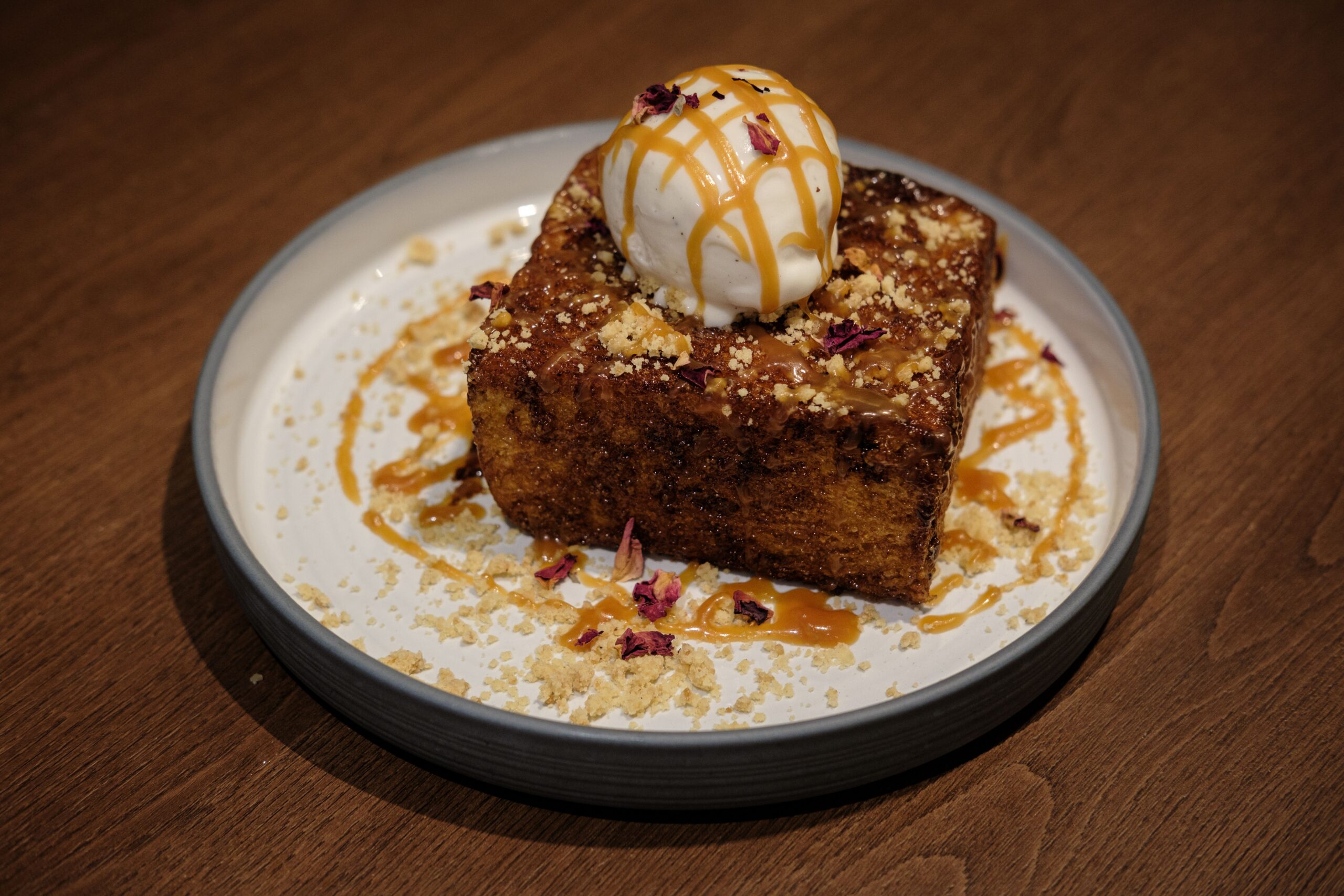
Great French toast should never taste like scrambled eggs glued to a piece of bread, nor should it collapse into a mushy, wet sponge at the touch of a fork. At its culinary zenith, French toast is an exercise in dessert-grade custard making: a golden, crisp-caramelized crust containing a pillowy interior that behaves like warm bread pudding. Achieving this delicate texture is an exact science of fat ratios, bread density, and low-temperature skillet searing.
The Bread Paradox: Why Fresh Bread Ruins the Recipe
The French name for this dish, pain perdu, translates literally to “lost bread”—referring to stale, dried-out loaves that would otherwise be discarded. There is profound food science behind this tradition. Fresh bread is already fully saturated with moisture. When dipped into liquid custard, fresh crumb disintegrates almost instantly, resulting in an unpalatable, raw-tasting slurry in the center of your slice.
For superior absorption, your bread must be dry and slightly dehydrated. Slicing thick brioche or challah (about 3/4 to 1-inch thick) and leaving it exposed to the air for several hours—or lightly toasting it on a sheet pan in a low oven at 275°F (135°C) for 10 minutes—removes ambient water molecules. This creates dry starch capillary channels ready to drink up the rich egg-and-cream custard without collapsing.
The Chemistry of the Custard Emulsion
Many home cooks simply crack eggs into milk and beat them casually with a fork. This leads to streaks of coagulated egg white frying on the bread surface. A true custard requires emulsifying milk fat with egg proteins and dispersing hydrophobic ground spices:
- Thick-Sliced Brioche or Challah (6 thick slices): Enriched with butter and egg yolks, these loaves possess tight, tender crumb structures that hold rich custard gracefully.
- Large Fresh Eggs (3 whole + 1 extra yolk): Whole eggs provide structural setting, while the additional egg yolk introduces extra lecithin and fat, eliminating the dreaded “omelet” taste.
- Whole Milk & Heavy Cream Blend (1 cup / 240ml, roughly 50/50): Fat moderates the coagulation temperature of egg proteins, keeping the interior silky rather than rubbery.
- Pure Vanilla Extract (1 1/2 teaspoons): Masks sulfur notes from the eggs and adds warmth.
- Ground Cinnamon (1 teaspoon) & Fresh Nutmeg (1/4 teaspoon): Cinnamon does not dissolve in water; whisking it directly into the egg yolks first helps coat spice particles in fat, keeping them suspended in the liquid.
- Brown Sugar (1 tablespoon): Adds subtle molasses depth and accelerates surface caramelization in the skillet.
- Fine Sea Salt (a pinch): Balances sugar and sharpens the aromatic spices.
Custard Formulation Comparison
| Method | Standard Quick Dip | Our Enriched Brioche Custard | Culinary Result |
|---|---|---|---|
| Egg Ratio | All whole eggs | Whole eggs + Extra yolk | Rich, creamy custard texture without eggy aftertaste |
| Dairy Base | Skim or low-fat milk | Whole milk + Heavy cream | Smooth mouthfeel; shields egg proteins from curding |
| Soaking Duration | Flash dip (2 seconds) | 30 to 45 seconds per side | Full penetration through the core of dried artisan crumb |
Step-by-Step Cooking Technique
1. Creating the Emulsified Custard
In a wide, shallow dish (such as a pie plate or shallow casserole dish), whisk the whole eggs and extra yolk together with the brown sugar, cinnamon, and nutmeg until completely smooth and slightly frothy. Whisking the eggs and spices together first prevents cinnamon from floating dry on top of the milk.
Slowly pour in the whole milk, heavy cream, and pure vanilla extract while continuing to whisk. Ensure there are no visible strings of egg white remaining. A well-blended custard guarantees a silky, uniform coating on every slice.
2. The Timed Custard Soak
Submerge one slice of your slightly dried brioche into the custard bath. For thick 1-inch slices, allow each side to soak for 30 to 45 seconds. The bread should feel noticeably heavy and saturated like a sponge, but still retain enough structural backbone to be lifted without snapping in half.
Lift the slice with a flat spatula or your fingers and hold it vertically over the dish for 5 seconds to let excess custard drip away. Puddles of loose custard on the bread will form unsightly “foot” ridges when hitting the skillet.

3. Heat Management & Skillet Caramelization
Heat a heavy-bottomed cast-iron skillet or non-stick griddle over medium heat. Add 1 tablespoon of unsalted butter alongside 1/2 teaspoon of neutral vegetable oil. The tiny amount of oil elevates the smoke point of the butter, allowing milk solids to brown gently without burning black.
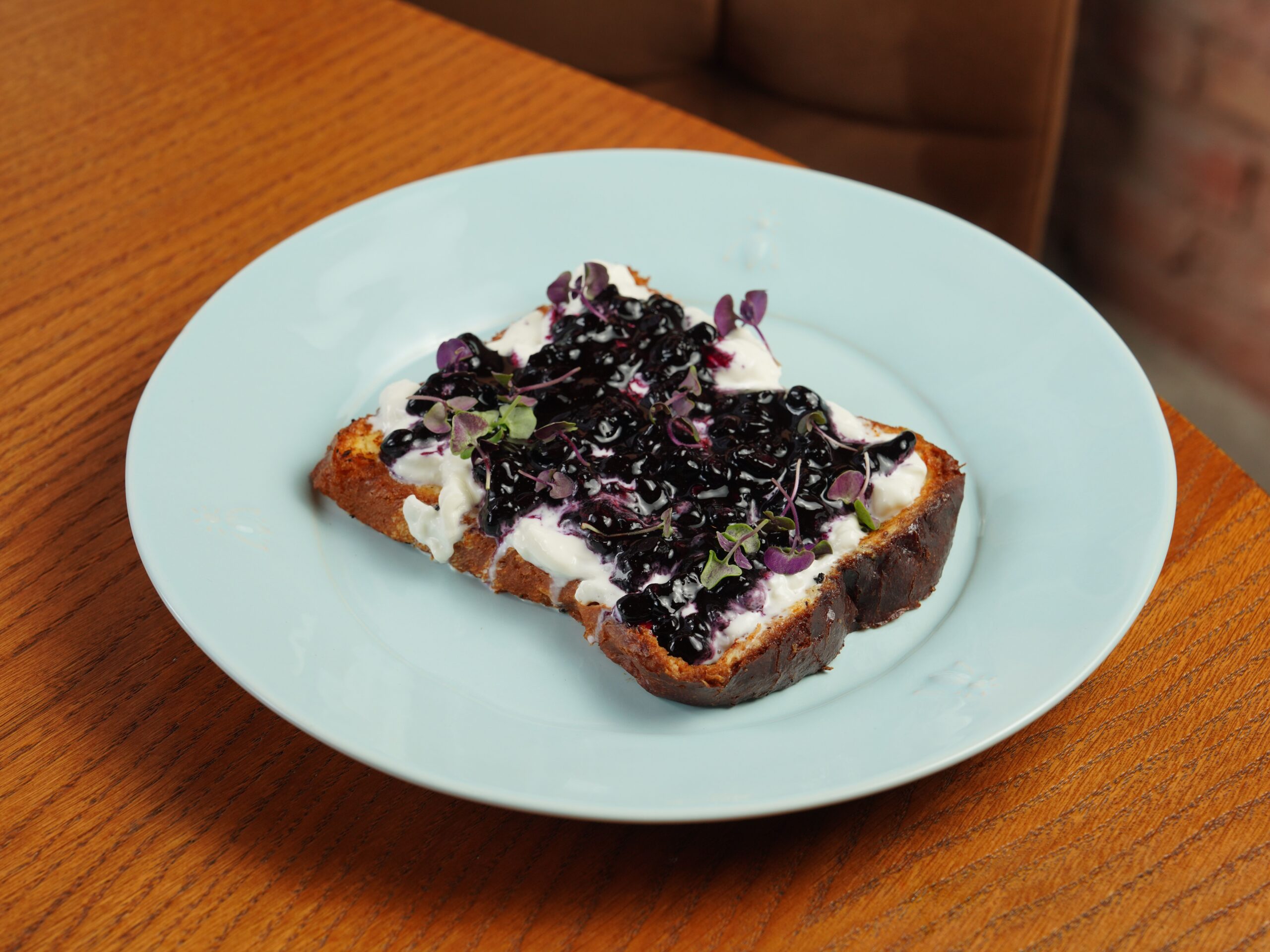
Once the butter foams, lay the soaked brioche slices into the pan. Immediately reduce the heat to medium-low. Cook undisturbed for 3 to 4 minutes on the first side. This lower temperature allows heat to penetrate slowly into the center to cook the egg custard while the exterior develops a golden, caramelized shell. Flip with a wide spatula and cook the second side for an additional 3 minutes until puffed and springy to the touch.
Troubleshooting Common French Toast Dilemmas
1. The toast tastes eggy and resembles an omelet
Cause: Too high a ratio of whole egg whites, or incomplete whisking leaving unmixed white streaks.
Fix: Incorporate more dairy or an extra yolk instead of extra whites, and whisk thoroughly until the custard is entirely uniform before introducing bread.
2. The outside is burned but the inside is cold and soggy
Cause: The skillet temperature was too high. The surface butter and sugars scorched before thermal energy could set the interior custard.
Fix: Lower the flame to medium-low. If making thick-cut slices, you can transfer browned French toast to a 325°F (165°C) oven for 5 minutes to gently set the center.
3. The bread tears apart when lifting from the custard
Cause: Using fresh, soft sandwich bread or soaking for too long.
Fix: Use enriched artisan loaves (Brioche or Challah) and lightly bake the slices in a low oven beforehand to draw out ambient moisture.
Frequently Asked Questions (FAQ)
Can I prepare the custard the night before?
Yes. Whisk the custard thoroughly, cover tightly with plastic wrap, and refrigerate overnight. Whisk briefly for 15 seconds in the morning to re-suspend the ground cinnamon before dipping your bread slices.
What is the best way to keep French toast warm for a group?
Avoid stacking hot slices onto a serving dish, as condensation softens the crunchy crust. Arrange finished slices in a single layer on a wire rack placed over a baking sheet, and hold in a preheated 200°F (95°C) oven for up to 30 minutes until ready to serve.
Can I make French toast without dairy milk?
Yes. Full-fat oat milk or creamy almond milk can replace whole milk at a 1:1 ratio. Coconut milk also produces an exceptionally rich custard with subtle tropical sweetness.
Keywords & Tags: #FrenchToast #BriocheFrenchToast #BrunchRecipes #BreakfastIdeas #CinnamonToast #RecipeEnthusiast