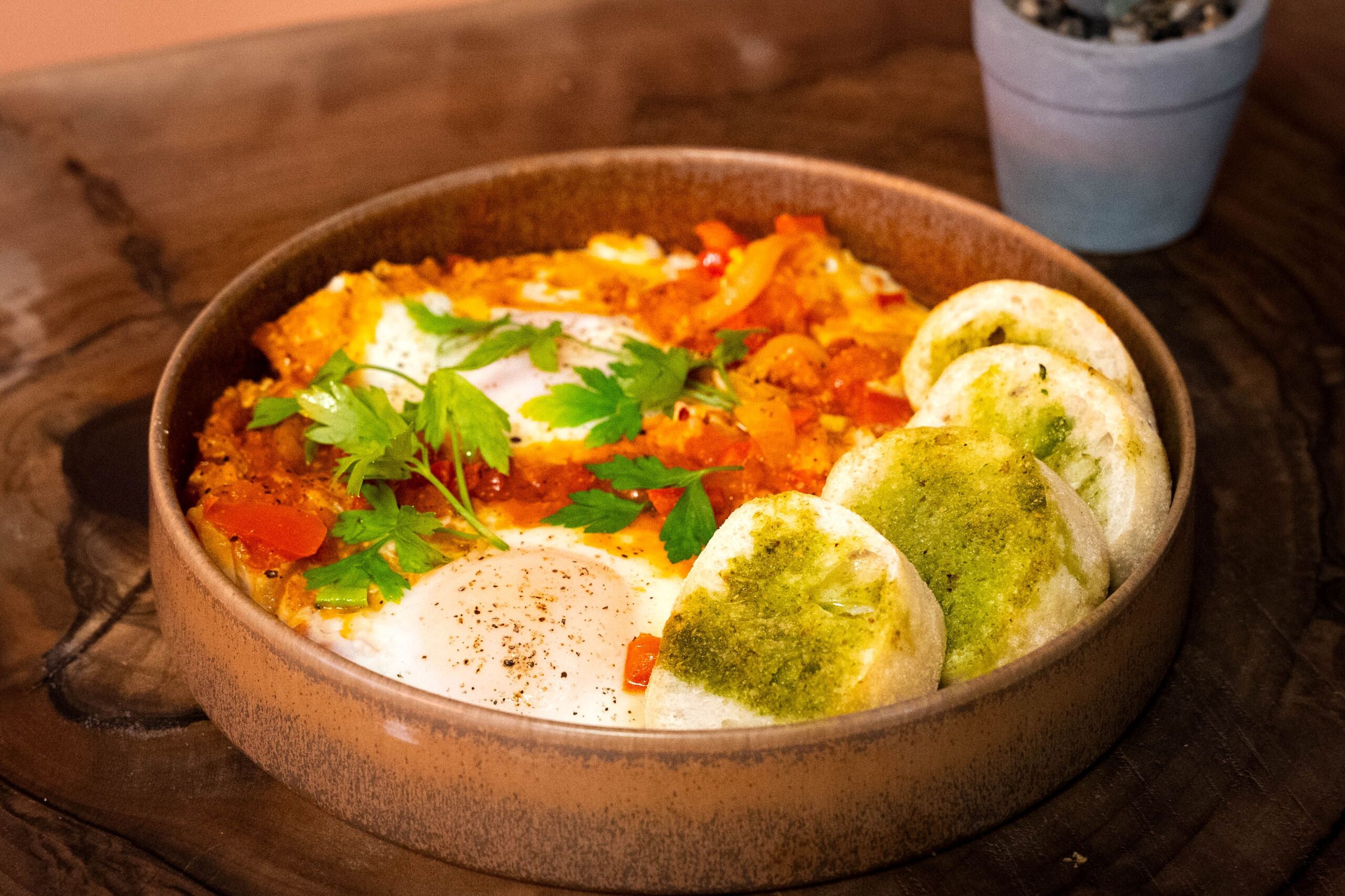
Few dishes unite rustic simplicity with bold, aromatic intensity quite like an authentic skillet of North African and Mediterranean shakshuka. At its core, shakshuka is a harmonious braise of sweet bell peppers, caramelized onions, and slow-simmered tomatoes spiced with cumin and smoked paprika, cradling gently poached eggs whose runny yolks enrich the savory sauce. Achieving that deep, jammy consistency without harsh watery acidity requires understanding spice blooming, tomato caramelization, and thermal poaching inside cast iron.
The Acidity Trap: Why Thin Shakshuka Fails
The most frequent culinary mistake in preparing shakshuka at home is rushing the tomato reduction. Throwing whole eggs into a thin, watery tomato sauce yields watery pockets and rubbery egg whites that never truly bind to the aromatics. When liquid tomatoes boil too rapidly, their sharp citric and malic acids dominate the palate, masking the nuanced sweetness of peppers and onions.
True shakshuka demands patience. Before adding eggs, the tomato base (traditionally termed matbucha or sofrito base) must reduce until nearly all free moisture evaporates. Cooking the vegetables down until the natural olive oil separates out concentrates the natural glutamates and caramelizes tomato sugars, yielding an umami-packed foundation capable of holding the eggs in distinct wells.
Essential Ingredients and Flavor Chemistry
Every element in this traditional preparation is selected to create rich aromatic depth, smoky sweetness, and textural contrast:
- Extra Virgin Olive Oil (3 tablespoons): A generous fat foundation carries fat-soluble flavor compounds from dry spices and aromatics across the entire dish.
- Red and Yellow Bell Peppers (2 large): Sliced into strips. Slow cooking breaks down their cellulose, releasing pleasant natural fructose to balance tomato acidity.
- Yellow Onion & Fresh Garlic (1 large onion, 4 cloves garlic): Sweet alliums form the savory backbone; thinly sliced garlic adds warmth without burning.
- Ground Cumin (1 1/2 teaspoons) & Smoked Paprika (1 1/2 teaspoons): Blooming these ground spices directly in hot olive oil releases volatile aromatics that cold liquids cannot extract.
- Ground Coriander & Red Pepper Flakes (1/2 teaspoon each): Coriander introduces a bright, citrusy woodiness, while chili flakes impart gentle, lingering heat.
- Whole Peeled San Marzano Tomatoes (28 oz / 800g can, hand-crushed): Premium canned plum tomatoes offer balanced natural sweetness and lower water content than out-of-season fresh tomatoes.
- Large Farm Eggs (5 to 6 units): Fresh pasture-raised eggs hold their structural shape in the simmering wells without running all over the pan.
- Crumbled Sheep’s Milk Feta & Fresh Cilantro or Parsley: Creamy, briny cheese provides sharp salinity that cuts right through rich, warm spices.
Flavor Development Comparison
| Stage | Rushed Preparation | Traditional Slow Method | Sensory Impact |
|---|---|---|---|
| Spice Addition | Dumped into wet tomato sauce | Bloomed directly in sizzling oil and aromatics | Smoky, fragrant undertones; zero raw or gritty spice taste |
| Sauce Consistency | Thin, watery soup base | Thick, glossy, spoonable ragù texture | Eggs stay neatly separated; rich clinging consistency for bread |
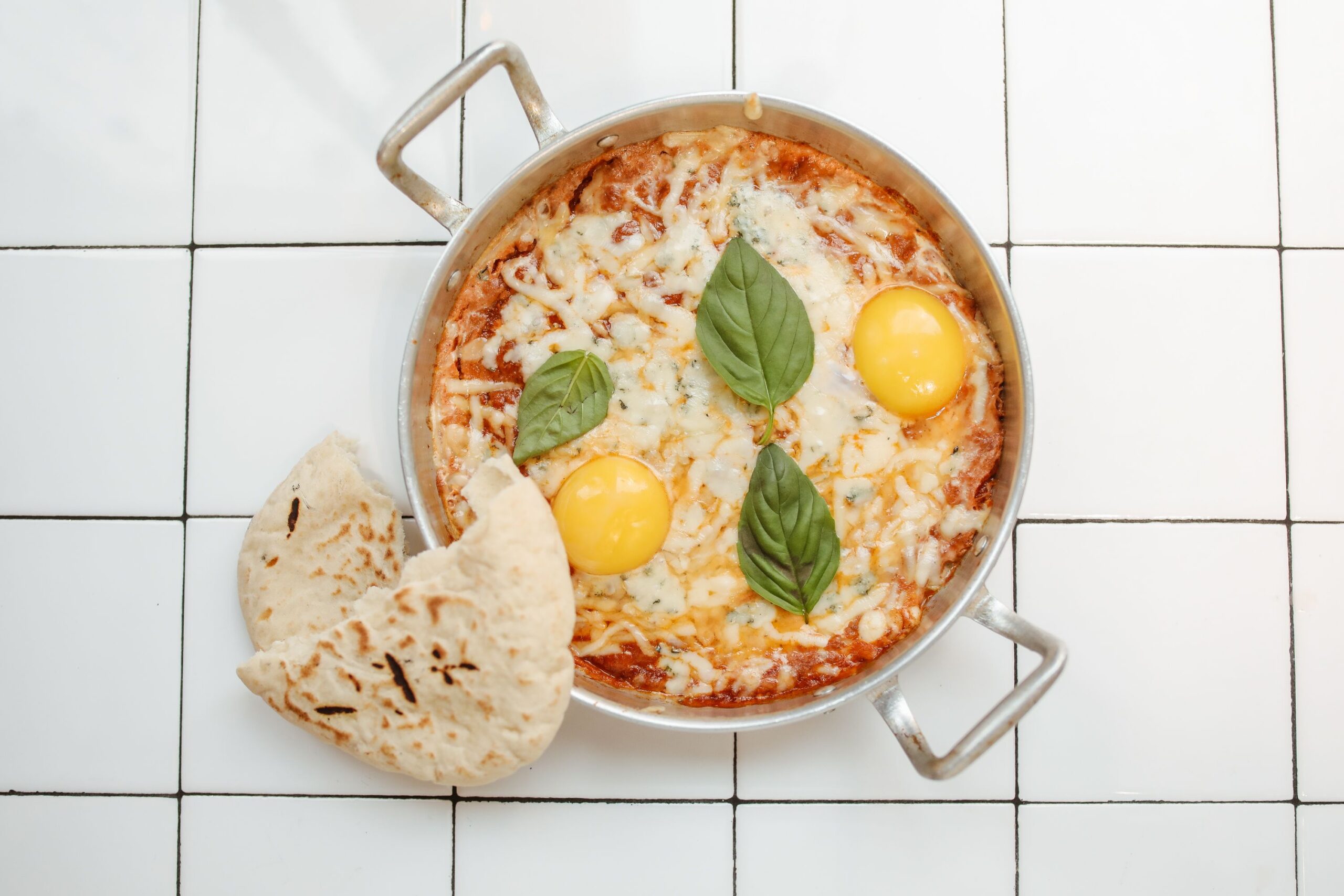
| Cookware Choice | Thin non-stick skillet | Heavy cast-iron skillet | Superior thermal retention that gently cooks whites without hard boiling |
Step-by-Step Culinary Technique
1. Sautéing Aromatics & Blooming the Spices
Heat your heavy cast-iron skillet over medium heat. Add the extra virgin olive oil. Once shimmering, add the sliced onions and bell peppers alongside a generous pinch of fine sea salt. Sauté for 10 to 12 minutes, stirring occasionally, until the peppers soften thoroughly and begin developing light browned edges.
Clear a small circle in the center of the pan. Drop in the minced garlic, ground cumin, smoked paprika, ground coriander, and chili flakes directly onto the hot oil. Stir vigorously for 45 to 60 seconds until intensely fragrant. This vital step—blooming—infuses the oil with complex aromas before introducing liquids.
2. The Slow Jammy Reduction
Pour the hand-crushed San Marzano tomatoes along with their rich juices into the pan. Stir thoroughly to incorporate the spiced oil from the bottom of the skillet. Bring the mixture to a gentle boil, then immediately lower the heat to medium-low.
Simmer uncovered for 15 to 20 minutes, stirring occasionally to prevent sticking. You know the sauce is ready when it turns dark crimson, thickens noticeably, and a wooden spoon drawn through the center leaves a clean path that fills back in very slowly.
3. Carving Wells & Poaching the Eggs
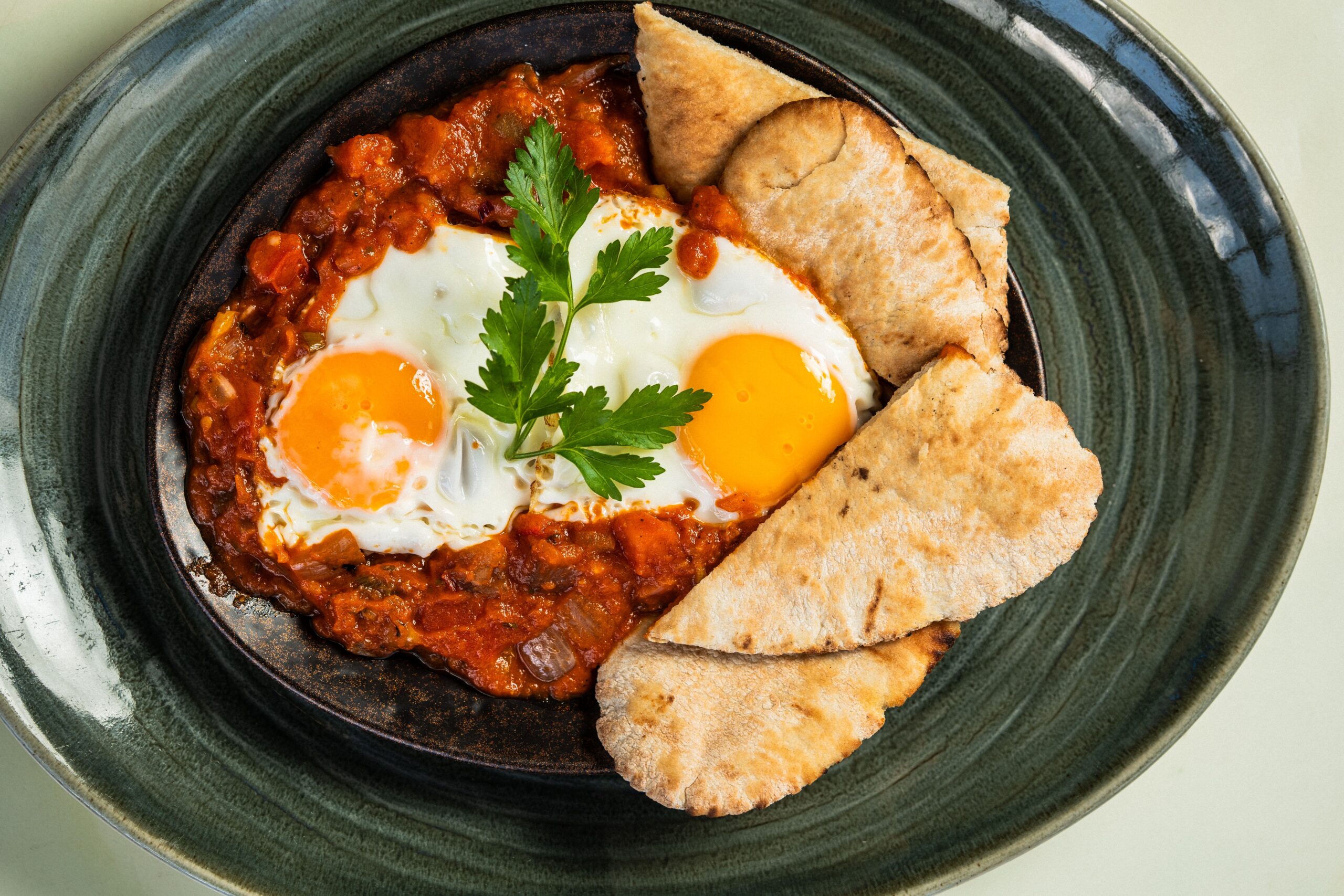
Using the back of a large spoon, create 5 or 6 evenly spaced indentations in the thickened tomato sauce. Crack an egg into a small bowl first, then carefully slide it into one of the carved wells. Repeat for each egg. Cracking them individually into a bowl prevents broken yolks and stray shell pieces from entering your hot sauce.
Lightly season the tops of the egg yolks with a tiny pinch of salt. Turn the heat to low. Cover the cast-iron skillet with a tight-fitting lid or a baking sheet for 5 to 8 minutes. Check periodically: remove from the heat the precise moment the egg whites turn opaque and set while the yolks remain soft, glossy, and liquid.
4. Garnishing and Serving
Take the skillet directly off the heat. Scatter generous crumbles of salty Greek or Bulgarian feta cheese over the warm sauce so they soften slightly without fully melting. Shower the pan with fresh chopped flat-leaf parsley and cilantro. Serve immediately right out of the skillet with thick slices of warm crusty sourdough, pita, or challah bread for dipping.
Troubleshooting Common Shakshuka Dilemmas
1. The tomato sauce tastes overly sour or acidic
Cause: Using unripe or poor-quality tomatoes, or under-cooking the sauce before dropping in the eggs.
Fix: Simmer the sauce longer to naturally concentrate sweetness. If still sharp, stir in 1/2 teaspoon of brown sugar or a splash of balsamic vinegar to balance acidity.
2. The egg yolks are hard and overcooked while the whites are raw
Cause: Cooking uncovered over high direct heat. The heat from beneath coagulates the yolk faster than warm ambient air can cook the top white layer.
Fix: Always cover the skillet with a lid. Trapped steam cooks the delicate egg whites from above within minutes while keeping yolks perfectly fluid.
3. The bottom of the sauce scorched black
Cause: Leaving heat too high during the reduction phase without stirring, especially in thin non-stick pans.
Fix: Use thick, seasoned cast iron which diffuses heat evenly, and keep the flame on medium-low once the tomatoes are added.
Frequently Asked Questions (FAQ)
Can I prepare the shakshuka sauce ahead of time?
Yes, the tomato base actually tastes even better when prepared in advance. Cook the pepper and tomato base completely, allow it to cool, and store in an airtight glass container in the refrigerator for up to 4 days. When ready to eat, simply reheat the sauce in your skillet until gently bubbling, carve your wells, and poach your fresh eggs.
Can I add meat or greens to this recipe?
Absolutely. Shakshuka welcomes versatile adaptations. Brown spicy lamb merguez sausage, ground beef, or chorizo in the skillet before sautéing the peppers. You can also fold in tender baby spinach, kale, or roasted eggplant during the final 5 minutes of reduction.
What is the best bread to serve with shakshuka?
Heavy, crusty artisan breads with an open crumb—such as rustic sourdough, thick focaccia, soft pita pockets, or egg-rich challah—are ideal for scooping up the spiced sauce and liquid yolk.
Keywords & Tags: #Shakshuka #MediterraneanBreakfast #CastIronCooking #PoachedEggs #HealthyDinner #RecipeEnthusiast