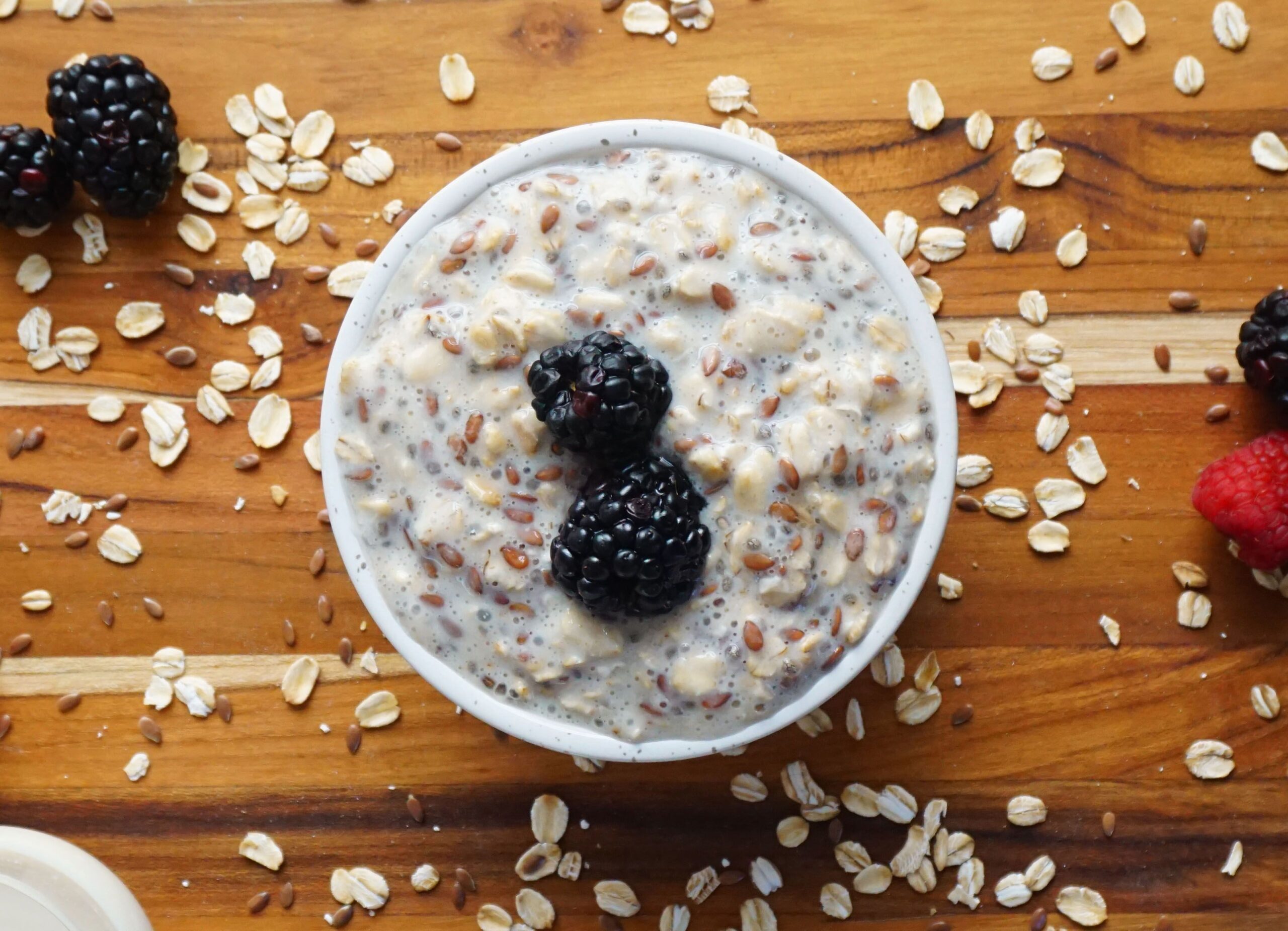
Overnight oats are frequently celebrated as the pinnacle of morning meal prep—a no-cook, nutrient-dense breakfast ready to grab straight from the refrigerator. Yet many homemade jars end up either unpleasantly chalky and stiff or watery and sludge-like. Transforming dry rolled grains into a rich, spoonable pudding that rivals traditional slow-simmered oatmeal is an exact science of starch cold-hydration, mucilage gelation from chia seeds, and calculated liquid-to-solid equilibrium.
The Physics of Cold Hydration: Why Quick Oats Fail
Unlike stove-cooked oatmeal where boiling water rapidly gelatinizes starch granules through thermal energy, overnight oats depend entirely on passive enzymatic hydration over a prolonged cold window (at least 6 to 8 hours). Choosing the wrong cut of oat breaks this process immediately.
Instant or quick-cooking oats are pre-steamed, heavily rolled, and pulverized into thin flakes; when soaked in milk overnight, their cell walls break down completely, producing a gluey, paste-like sludge. Conversely, raw steel-cut groats remain unpleasantly tough and gritty even after 24 hours of soaking. The scientific sweet spot is old-fashioned rolled oats (steamed whole groats pressed flat). They retain sufficient beta-glucan structural fiber to drink up liquid while keeping a pleasing, toothsome bite.
Essential Ingredients and Nutritional Architecture
Each component in this foundational ratio is calibrated to provide sustained slow-release energy, healthy lipids, and velvety mouthfeel:
- Old-Fashioned Rolled Oats (1/2 cup / 50g): Deliver complex carbohydrates, prebiotic starches, and cholesterol-lowering beta-glucan soluble fiber.
- Unsweetened Almond, Whole, or Oat Milk (1/2 cup / 120ml): Provides the liquid hydration solvent. Dairy introduces natural sweetness and whey protein, while plant milks maintain a lighter, neutral base.
- Plain Greek Yogurt (1/4 cup / 60g): Introduces lactic acid that gently softens oat fibers while contributing rich casein proteins and thick, creamy viscosity.
- Black or White Chia Seeds (1 tablespoon / 12g): Essential hydrocolloid agents. Chia seeds can absorb up to twelve times their weight in liquid, creating a thick natural gel (mucilage) that stabilizes the oats and prevents water separation.
- Pure Maple Syrup or Raw Honey (1 tablespoon): Blends smoothly into cold liquids without leaving crunchy, undissolved sugar crystals at the bottom of the jar.
- Pure Vanilla Extract (1/2 teaspoon) & Ground Cinnamon (1/4 teaspoon): Cinnamon naturally suppresses post-meal glucose spikes while vanilla rounds out earthy grain undertones.
- Fine Sea Salt (a microscopic pinch): Essential to elevate nutty oat notes and temper raw dairy acidity.
Cold Hydration Ratio Blueprint
| Component | Watery Recipe | Our Creamy Balance Formula | Functional Impact |
|---|---|---|---|
| Oat to Liquid | 1 : 2 (Only milk) | 1 : 1 (Milk) + 0.5 (Greek Yogurt) | Creates a thick, spoonable pudding rather than floating soup |
| Gelling Agent | None | 1 tbsp Whole Chia Seeds | Hydrating gel traps free liquid and suspends flavorings evenly |
| Soaking Window | 2 hours | 8 to 12 hours refrigerated | Allows phytic acid to break down, increasing nutrient bioavailability |
Step-by-Step Preparation Technique
1. Incorporating the Dry Scaffolding
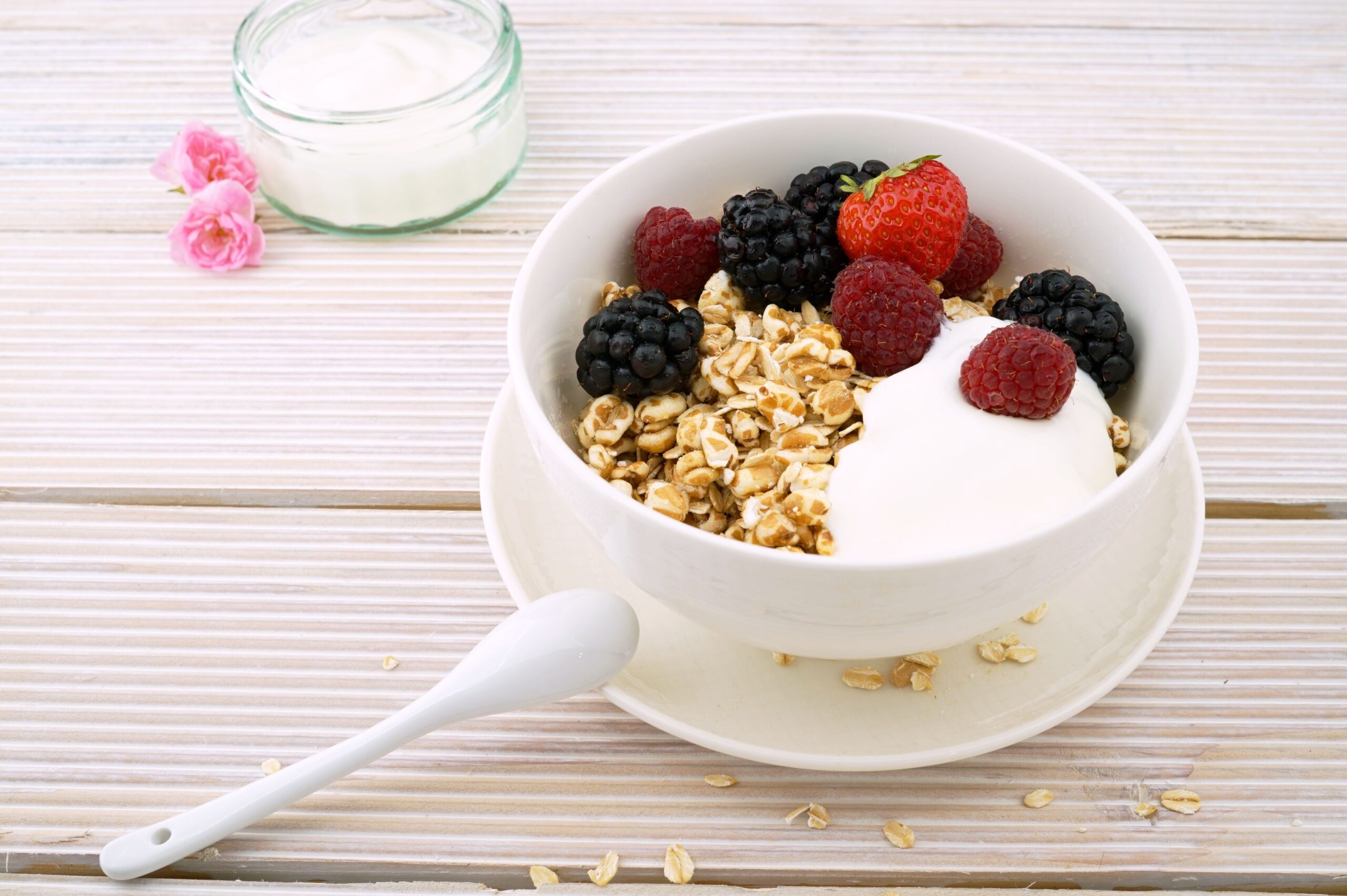
In an 8-ounce or 12-ounce glass mason jar or airtight meal prep container, add the rolled oats, chia seeds, ground cinnamon, and a tiny pinch of fine sea salt. Use a small fork or mini whisk to stir the dry ingredients thoroughly for 15 seconds. Dispersing the chia seeds through the dry oats first prevents them from clumping together into hard gelatinous pods once the wet liquids are introduced.
2. The Emulsified Liquid Pour
Add the Greek yogurt, milk of choice, pure maple syrup, and vanilla extract directly into the jar. Using your fork, stir the mixture vigorously from the bottom up, scraping the corners to guarantee that no dry pockets of flour or chia remain trapped against the glass. Seal tightly with the lid.
3. The Two-Stage Rest (The Shake Technique)
Chia seeds take about 10 minutes to initiate mucilage expansion. Place the sealed jar into the refrigerator for 10 minutes, take it out, and give it one more thorough shake or stir. This simple two-stage agitation guarantees that the chia seeds stay suspended throughout the vertical column of the jar rather than settling into a dense base layer.
Return the sealed jar to the refrigerator and chill for a minimum of 6 hours, ideally overnight (8 to 10 hours). During this resting phase, the starches soften and absorb the liquid completely.
4. Morning Assembly and Garnishes
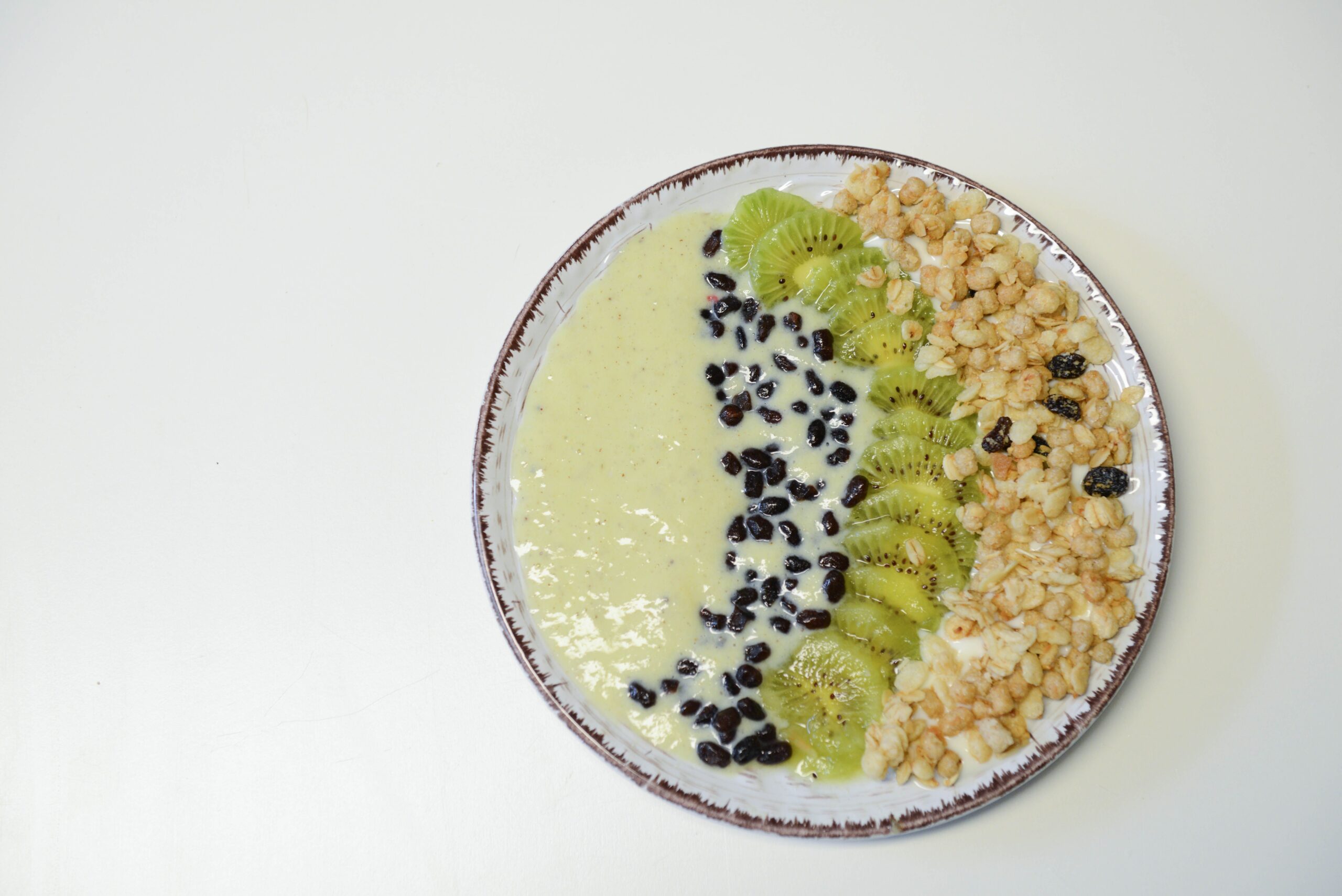
Unseal the jar in the morning. The oats should be thick, glossy, and custardy. If you prefer a looser consistency, splash in 1 to 2 tablespoons of extra milk and stir briefly. Crown the top with fresh blueberries, sliced strawberries, toasted sliced almonds, or a swirl of creamy almond butter immediately before eating. Keeping crunchy toppings separate until serving preserves textural contrast.
Troubleshooting Common Overnight Oat Dilemmas
1. My oats are watery with liquid pooling on top
Cause: Omitting chia seeds or Greek yogurt, or using too high a milk-to-oat ratio.
Fix: Adhere to the golden rule of equal parts oats and milk, balanced by chia seeds and Greek yogurt to act as natural gelling emulsifiers.
2. The texture is chalky and dry
Cause: Adding extra dry ingredients like protein powder or ground flaxseed without increasing the liquid volume.
Fix: For every scoop of protein powder or tablespoon of flax added, stir in an extra 1/4 cup of milk to compensate for dry absorption.
3. The berries turned the oats sour and discolored
Cause: Soaking acidic or wet fruit directly inside the jar overnight.
Fix: Always add fresh delicate berries, sliced bananas, and crunchy nuts in the morning right before enjoying.
Frequently Asked Questions (FAQ)
How long do overnight oats stay fresh in the fridge?
Stored in an airtight glass container, plain overnight oats maintain optimal freshness and texture for up to 5 days. This makes them ideal for preparing an entire work week of breakfasts on Sunday evening.
Can overnight oats be eaten warm?
Yes. While designed to be enjoyed chilled, you can simply remove the metal lid and microwave the jar for 45 to 60 seconds, stirring halfway through. The heat will loosen the starches into a warm, creamy porridge.
Is this recipe suitable for gluten-free diets?
Oats are naturally gluten-free, but they are frequently processed on equipment shared with wheat and barley. To ensure safety for celiac or gluten-sensitive diets, purchase rolled oats with certified gluten-free labeling.
Keywords & Tags: #OvernightOats #HealthyBreakfast #MealPrep #EasyBreakfast #ChiaOats #RecipeEnthusiast