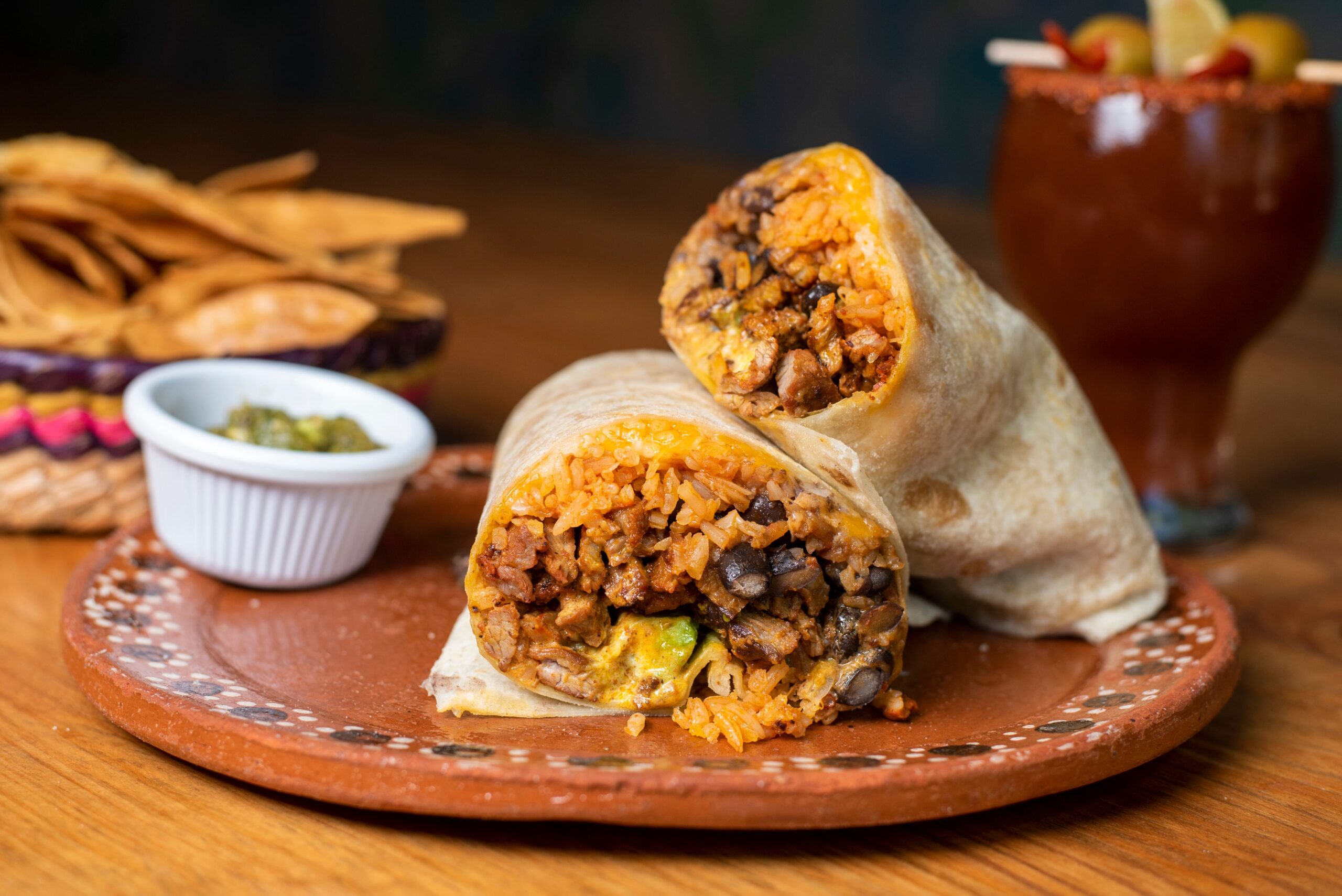
A poorly constructed breakfast burrito is a culinary disappointment—a cold tortilla leaking steam, watery eggs pooling at the bottom, and cheese that never truly melted. Conversely, an expertly engineered burrito delivers textural harmony: a golden, crackling exterior, soft custardy eggs, crisp protein bites, and molten cheese acting as an internal mortar. Achieving diner-grade results requires understanding thermal layering, moisture control, and the science of searing the tortilla seam.
The Anatomy of Moisture Control: Why Burritos Turn Soggy
The primary culprit behind a soggy breakfast burrito is internal condensation. When hot, steamy scrambled eggs are rolled directly into a room-temperature flour tortilla and sealed, trapped vapor turns the inner starch gelatinous. Furthermore, adding high-moisture condiments like fresh pico de gallo or sour cream inside the wrap guarantees structural failure within minutes.
To eliminate sogginess, follow two non-negotiable rules: cook your eggs slightly soft (wet scramble) to account for carryover heat, and cool wet fillings for 3 minutes before rolling. Salsa, lime wedges, and crema should remain external dipping companions, preserving the tortilla’s crisp outer barrier.
Essential Ingredients and Flavor Architecture
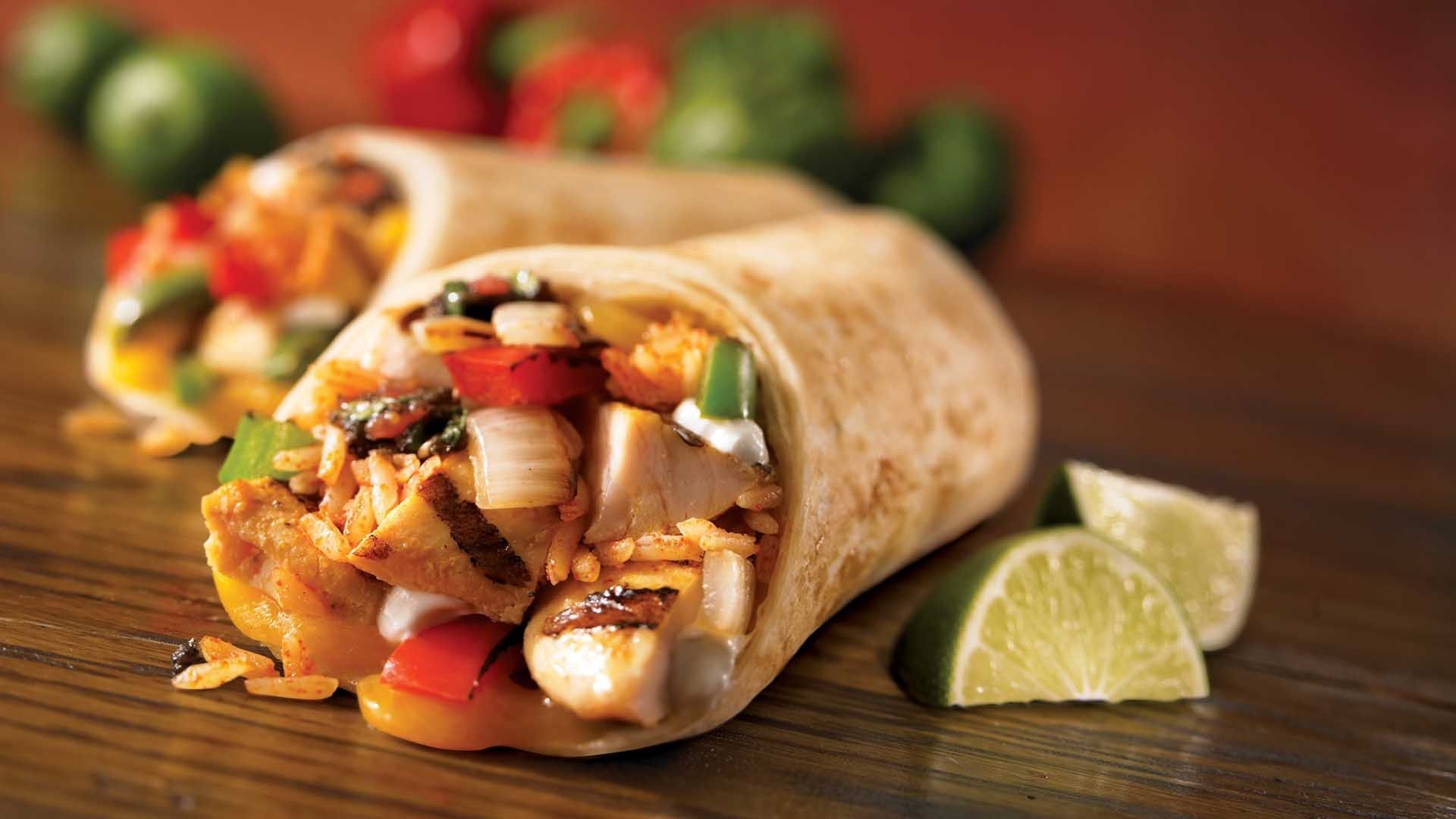
Every element in this loaded breakfast burrito is calibrated to provide texture, savory depth, and thermal stability:
- Large Flour Tortillas (10 to 12 inches): Use raw or pliable burrito-sized flour tortillas with adequate fat content (lard or vegetable shortening). Corn tortillas lack the gluten elasticity needed to stretch around dense morning fillings.
- Farm-Fresh Eggs (6 large): Whisked with a pinch of salt and a tablespoon of whole milk or cream to keep the curds velvety and soft.
- Thick-Cut Smoked Bacon or Chorizo (6 strips / 150g): Fried until shatteringly crisp. Thin bacon turns limp and rubbery once encased inside the wrap.
- Sharp Cheddar & Pepper Jack (1 1/2 cups, freshly shredded): Cheddar introduces pungent salinity, while Pepper Jack melts into an elastic, silky web that binds loose scrambled curds.
- Crispy Hash Browns or Breakfast Potatoes (1 cup): Diced small and pan-fried until golden. Potatoes absorb excess egg moisture while offering critical crunch.
- Unsalted Butter (1 tablespoon): For gently scrambling the eggs at low heat.
Burrito Layering Blueprint
| Layer Order | Component | Culinary Role |
|---|---|---|
| Base (Against Tortilla) | Shredded Cheese (Bottom half) | Melts into the warm tortilla, creating a waterproof lipid seal |
| Middle Core | Soft Scrambled Eggs & Potatoes | Provides savory warmth, softness, and carb structure |
| Crunch Top | Crispy Bacon & Remaining Cheese | Keeps proteins crisp while cheese locks the fold shut |
Step-by-Step Cooking & Rolling Method
1. Searing the Bacon & Crisp Potatoes
Lay thick-cut bacon strips into a cold cast-iron skillet over medium heat. Heating gradually renders fat evenly, producing shatteringly crisp bacon without bitter scorched edges. Transfer bacon to paper towels, crumble into coarse bite-sized chunks, and reserve 1 tablespoon of bacon fat in the pan to fry your hash browns until deeply bronzed and crunchy.
2. The Low-and-Slow Custardy Scramble
Wipe the skillet and lower heat to medium-low. Melt butter. Whisk eggs vigorously with salt and pepper for 45 seconds until uniform in color. Pour into the warm skillet. Use a silicone spatula to push broad, soft curds from the perimeter to the center every few seconds. Remove the pan from heat while the eggs still look slightly glossy and loose; residual heat will finish cooking them without drying them out.
3. Conditioning the Tortilla (The Elasticity Secret)
Never roll a cold tortilla directly from the package. Cold starch cracks under tension. Heat each tortilla on a dry skillet for 10 seconds per side, or microwave between damp paper towels for 15 seconds. Warmth gelatinizes the starches, rendering the tortilla soft, pliable, and capable of stretching snugly around generous fillings.
4. The Tight Cylinder Fold Technique
Lay the conditioned tortilla on a flat board. Scatter a quarter cup of shredded cheese across the bottom third of the tortilla. Mound the soft scrambled eggs, crispy potatoes, and bacon evenly over the cheese. Finish with a second light sprinkle of cheese on top.
Fold the left and right sides tightly over the filling. While keeping the sides tucked in, pull the bottom edge up and over the ingredients. Use your fingers to tuck and pull the filling tightly backward into a compact cylinder, then roll forward smoothly until the seam rests underneath.
5. Seam-Down Skillet Crisp
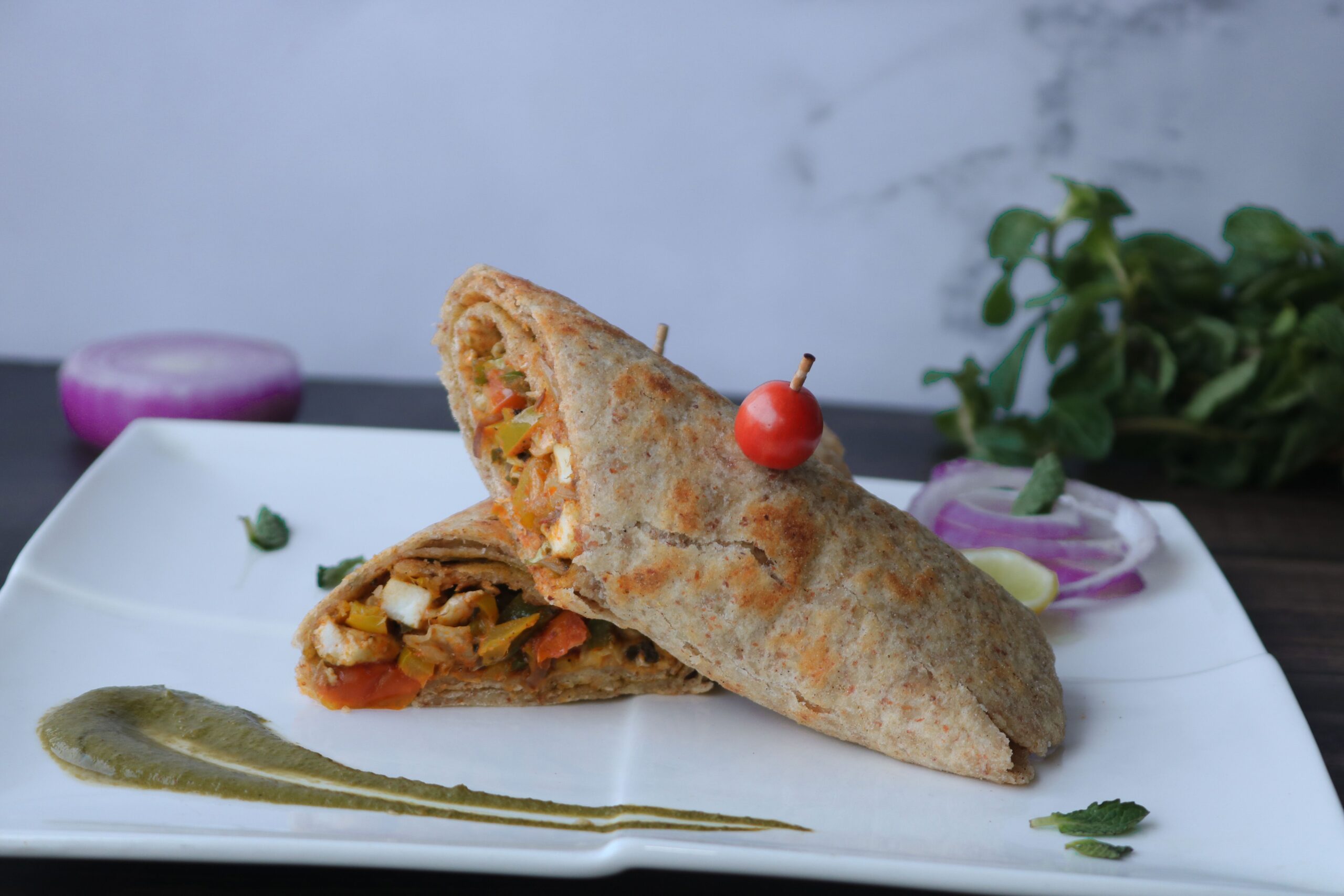
Return your dry skillet or griddle to medium heat. Place the rolled burritos directly onto the hot surface, seam-side down. Apply gentle downward pressure with a spatula for 90 seconds. The heat fuses the tortilla flaps together while crisping the flour into a crunchy, golden seal. Rotate to brown all sides evenly before transferring to a cutting board.
Troubleshooting Common Burrito Mistakes
1. The tortilla tore while wrapping
Cause: The tortilla was either too cold or overfilled with ingredients.
Fix: Warm the tortilla until thoroughly steamy and flexible before attempting to fold. If fillings exceed 1 cup in total volume, reduce quantities or upgrade to a 12-inch tortilla.
2. The burrito unrolls on the plate
Cause: Skipping the seam-side pan sear, or loose tucking during the initial fold.
Fix: Always place the burrito seam-down on a hot pan first. The melting cheese and frying starches act like edible glue, locking the seam permanently.
3. The center is cold while the exterior is browned
Cause: Using chilled ingredients (like refrigerated leftover potatoes or cold cheese) without pre-warming them.
Fix: Ensure all fillings are warm to the touch before assembly so the brief pan-sear heats the burrito thoroughly through to the core.
Frequently Asked Questions (FAQ)
Can I freeze breakfast burritos for weekly meal prep?
Yes, breakfast burritos freeze exceptionally well. Allow assembled burritos to cool completely to room temperature. Wrap each burrito tightly in parchment paper, followed by a second layer of heavy-duty aluminum foil. Freeze for up to 3 months. To reheat, remove the foil, microwave in the parchment paper for 90 seconds, then crisp on a dry skillet for 2 minutes.
What are the best dips to serve alongside?
Authentic pairings include roasted salsa verde, smoky chipotle crema, chunky guacamole, or pickled jalapeño slices. Keep them on the side to prevent sogginess.
Can I make this vegetarian?
Easily. Replace the bacon with seasoned black beans, sautéed bell peppers and onions (fajita style), or plant-based breakfast sausage patties.
Keywords & Tags: #BreakfastBurrito #MealPrepBreakfast #ScrambledEggs #CrispyBacon #EasyMorningMeals #RecipeEnthusiast