Authentic Italian tiramisu is widely celebrated as the crowning achievement of no-bake pastry architecture. Far superior to shortcut versions that rely on heavy whipped cream stabilizers or cream cheese substitutes, traditional Treviso-style tiramisu is an exacting study in emulsion thermodynamics: balancing a delicate egg yolk sabayon, preventing the lipid collapse of high-fat mascarpone, and calibrating ladyfinger porosity to absorb robust espresso without degrading into mush.
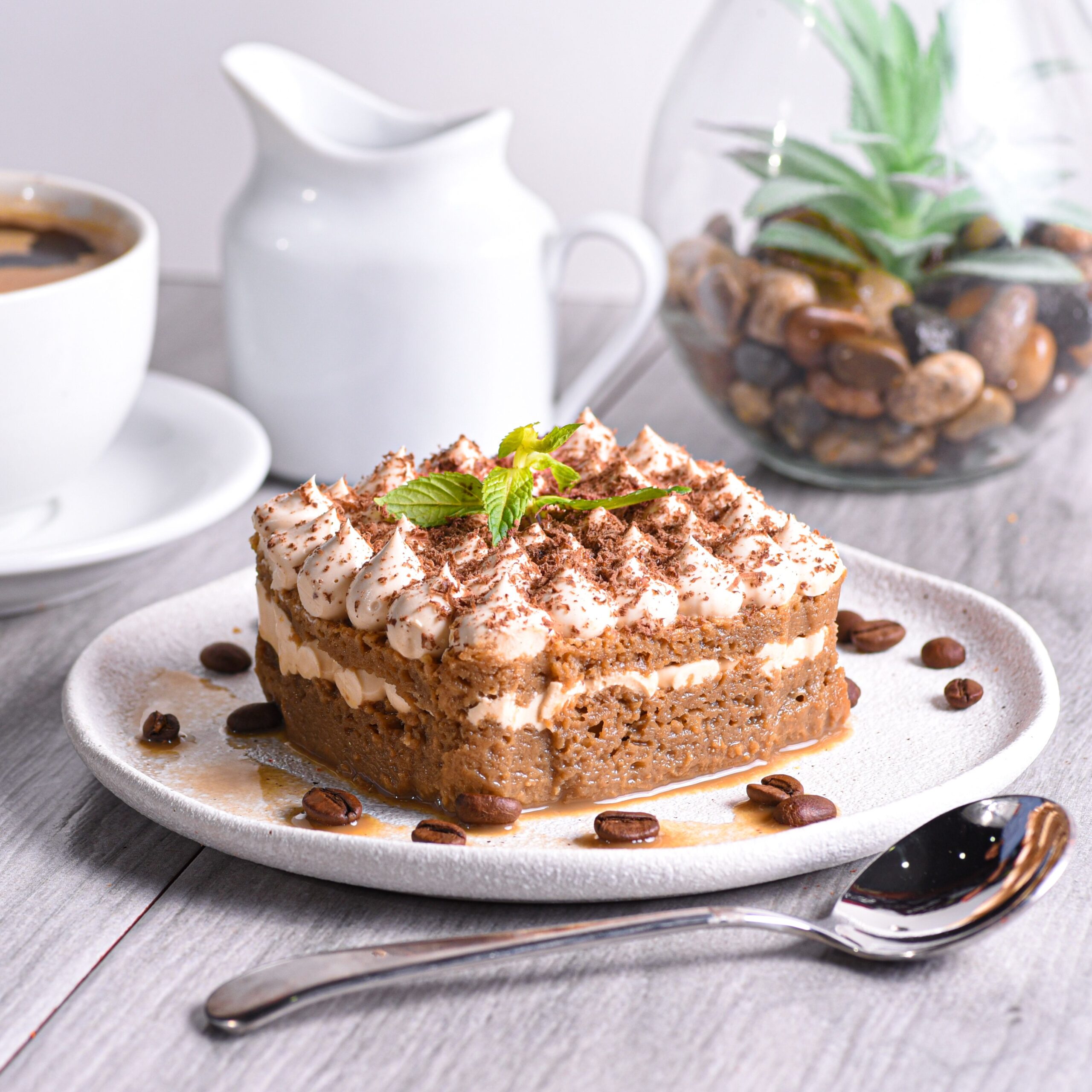
The Molecular Science of Tiramisu Architecture
Because authentic tiramisu relies on zero chemical gelling agents, starches, or gelatin sheets, its structural integrity is governed entirely by lipid networks, thermal protein foaming, and capillary fluid mechanics:
- The Sabayon Protein Matrix: Whisking egg yolks with sucrose over indirect steam denatures yolk globulins and ovovitellin. As these proteins unfold, they create an elastic structural foam that traps microscopic air pockets, pasteurizing the yolks at 160°F (71°C) while producing a safe, glossy, spoonable custard foundation.
- Mascarpone Lipid Sensitivity: Mascarpone is a triple-cream cheese boasting an ultra-high fat content of approximately 75% in dry matter. Because its emulsion is acidified by citric or tartaric acid rather than bacterial culture, rough over-whipping will instantly shear the fat globules, expelling whey and turning the velvety cream into grainy, separated butter.
- Capillary Action in Ladyfingers (Savoiardi): Authentic Italian Savoiardi are baked egg sponges covered in an exterior sucrose crust. Submerging them for more than one second dissolves their internal airy scaffolding, turning the dessert watery. Precision dipping ensures the core remains dry during assembly, slowly drawing moisture from the mascarpone cream overnight.
Ingredients & Chemical Functionality
| Ingredient | Precise Quantity | Culinary Function |
|---|---|---|
| Authentic Italian Mascarpone | 16 oz (450g), chilled (45°F / 7°C) | Provides structural dairy lipids, buttery richness, and the signature dense mouthfeel. |
| Large Fresh Egg Yolks | 6 large yolks (approx. 110g) | Delivers natural lecithin for emulsification and rich albumin proteins to suspend air. |
| Granulated White Sugar | 3/4 cup (150g) | Dissolves into egg yolks, elevating protein coagulation temperature to prevent curdling. |
| Hard Italian Savoiardi (Ladyfingers) | 24 to 30 cookies (approx. 250g) | Acts as dry structural beams; soft bakery ladyfingers collapse and must be avoided. |
| Strong Brewed Espresso | 1 1/2 cups (360ml), cooled completely | Provides deep, roasted bitterness to slice through heavy dairy fats and sweet sucrose. |
| Dark Rum, Marsala, or Coffee Liqueur | 2 tablespoons (30ml) | Carries fat-soluble aroma molecules across the palate and adds complexity. |
| Dutch-Processed Unsweetened Cocoa | 3 tablespoons (25g), for dusting | Forms a dry, bitter surface seal that balances the sweet, creamy layers underneath. |
Step-by-Step Culinary Protocol
Step 1: Espresso Calibration and Cooling
Brew fresh, dark espresso roast using a moka pot or espresso machine. Stir in the dark rum or Marsala wine while the coffee is hot to dissolve aromatic volatiles evenly. Set the liquid aside in a shallow, wide-rimmed dish until it drops to complete room temperature (68°F / 20°C). Dipping cookies into warm espresso accelerates starch breakdown, guaranteeing a soggy dessert.
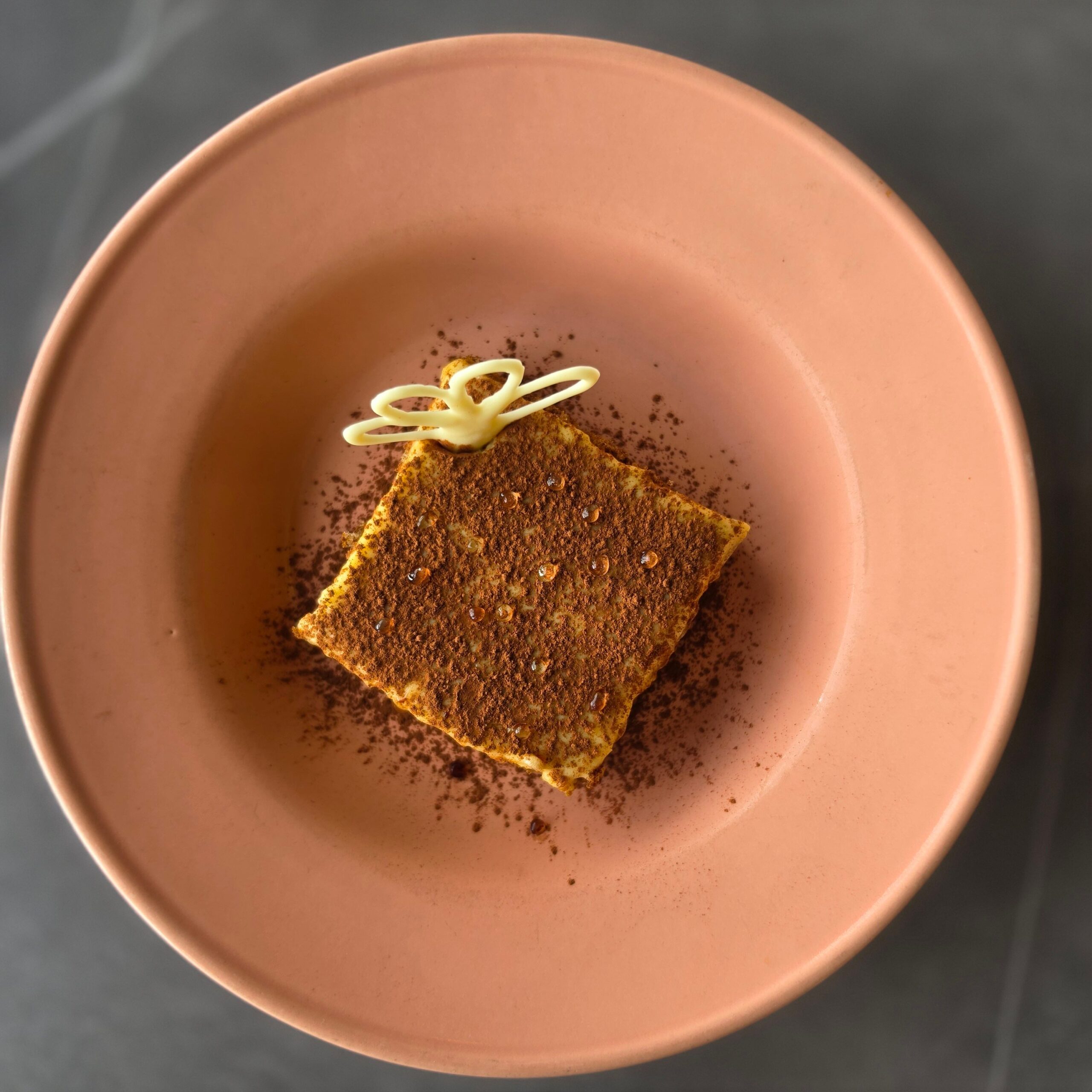
Step 2: The Steamed Sabayon Emulsion
Fill a medium saucepan with 1 inch of water and bring to a bare simmer over low heat. In a large heatproof glass or stainless steel bowl that fits snugly over the pot without touching the water, combine the egg yolks and granulated sugar. Whisk continuously by hand for 6 to 8 minutes over the gentle steam until the mixture reaches 160°F (71°C) on an instant-read thermometer. The yolks will transform into a thick, pale, ribbony custard. Remove from the water bath and cool for 10 minutes, whisking occasionally.
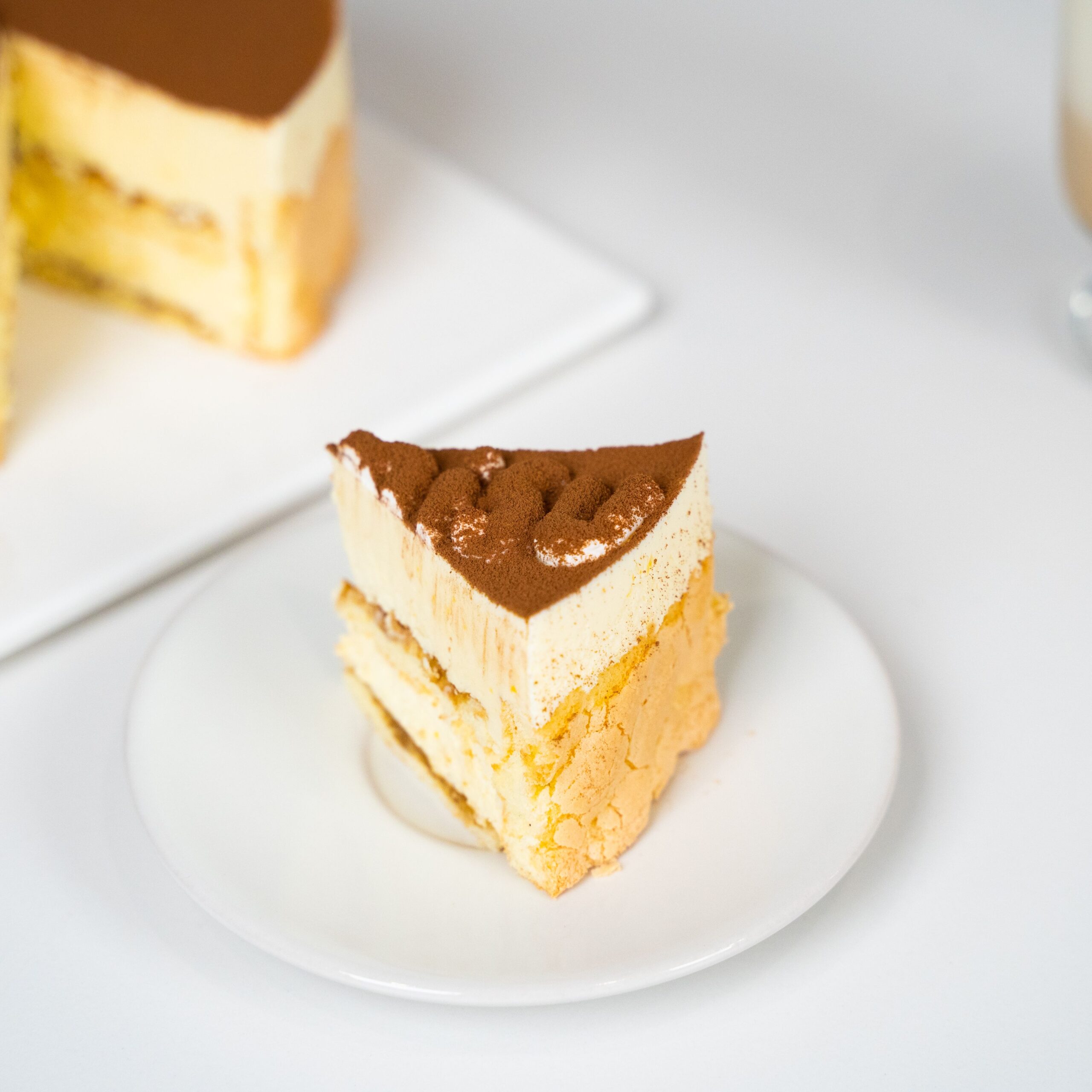
Step 3: Low-Shear Mascarpone Integration
Transfer the cold mascarpone cheese into a clean mixing bowl and loosen it gently with a silicone spatula for 30 seconds. Do not use an electric mixer at high speed. Add the cooled sabayon in three distinct additions, folding gently with wide, sweeping motions from the bottom rim inward. Once the cream is homogenous, glossy, and holds its shape on a spoon, stop folding immediately.
Step 4: The Kinetic Ladyfinger Dip
Working with one hard Savoiardi ladyfinger at a time, perform a fluid, 1-second rolling motion through the cooled espresso: roll across the bottom, flip, and immediately lift. The biscuit should feel dry and hard in the center. Arrange the dipped biscuits in a tight, uniform layer across the bottom of an 8×8-inch square ceramic or glass baking dish, snapping cookies to fill any gaps.
Step 5: Architectural Layering
Spread half of the velvety mascarpone cream over the first layer of dipped ladyfingers. Use an offset spatula to smooth the surface evenly, working the cream into every edge to seal out air gaps. Repeat the dipping process for the remaining ladyfingers, arranging them in a second layer perpendicular to the first to create structural criss-cross strength. Smooth the remaining mascarpone cream across the top.
Step 6: The 12-Hour Maturation Phase
Cover the dish securely with plastic wrap, ensuring the film does not touch the smooth cream surface. Transfer to the coldest part of your refrigerator for a minimum of 8 hours, ideally 12 to 24 hours. During this critical chill, capillary action pulls free moisture from the cream into the dry ladyfinger centers, softening them into an ethereal, cake-like texture while the mascarpone fats set firmly into clean sliceability.
Step 7: The Final Hydrophobic Cocoa Canopy
Just before serving, fit a fine-mesh sieve with Dutch-processed unsweetened cocoa powder. Dust a generous, even layer over the cold surface. The natural fats in alkalized cocoa resist rapid moisture absorption, creating a velvety, dry matte finish that delivers a pronounced bitter counterpoint to the luscious cream below.
Troubleshooting Common Tiramisu Failures
| Visual Problem | Root Scientific Cause | Corrective Protocol |
|---|---|---|
| Runny, Soupy Cream Layer | Mascarpone was over-beaten, breaking its delicate emulsion, or the sabayon was too hot. | Fold mascarpone gently by hand, and allow sabayon to cool to lukewarm before combining. |
| Soggy Pool at Bottom of Pan | Ladyfingers were submerged too long, soaking up excess coffee liquid. | Use only authentic hard Savoiardi and dip for exactly one second total. |
| Grainy or Clumping Custard | Egg yolks curdled over direct high steam without continuous whisking. | Ensure water in the double boiler never touches the bowl base, and maintain gentle simmering heat. |
| Dissolved, Wet Cocoa Dusting | Cocoa powder was applied hours in advance, absorbing moisture from the cream. | Dust cocoa powder immediately before slicing and serving. |
Storage, Maturation, and Freezing Protocols
Unlike baked pastries that begin staling immediately, tiramisu improves substantially in flavor and texture during its first 24 to 48 hours of refrigeration:
- Peak Flavor Window: Tiramisu reaches its zenith between 18 and 36 hours after assembly. The roasted coffee notes, vanilla aromatics, and rich dairy flavors merge into a singular taste profile.
- Refrigerator Shelf Life: Keep tightly covered in the refrigerator for up to 4 days. After day 4, the egg matrix begins to release micro-droplets of water, softening the base excessively.
- Freezing for Clean Portions: You can freeze whole assembled tiramisu for up to 2 months. Thaw slowly in the refrigerator for 8 hours before dusting with cocoa powder and slicing. Partial freezing (20 minutes in the freezer) produces razor-sharp bakery-style squares when cut with a warm chef’s knife.
Frequently Asked Questions (FAQ)
Can I substitute cream cheese or heavy whipping cream for mascarpone?
Cream cheese contains higher lactic acidity and less butterfat, which dramatically alters the flavor profile and texture. While whipped cream can lighten a tiramisu, it lack the dense, luxurious mouthfeel of authentic 75% butterfat Italian mascarpone.
Is it safe to eat egg yolks in authentic tiramisu?
Yes. Cooking the egg yolk and sugar mixture over steam until it reaches 160°F (71°C) fully pasteurizes the yolks, eliminating food safety concerns while retaining their structural foaming capacity.
Why are my ladyfingers hard in the center after chilling?
This happens if the tiramisu was served too soon (under 6 hours of chill time) or if the biscuits were under-dipped. Give the dessert a full 12 to 24 hours in the refrigerator so internal starch hydration can finish naturally.
Nutritional Breakdown (Per Serving)
- Servings: 9 generous portions
- Calories: 385 kcal
- Total Carbohydrates: 32 g
- Dietary Fiber: 1.5 g
- Protein: 6.8 g
- Total Fat: 26.2 g
- Saturated Fat: 15.4 g
- Cholesterol: 165 mg
- Sodium: 110 mg