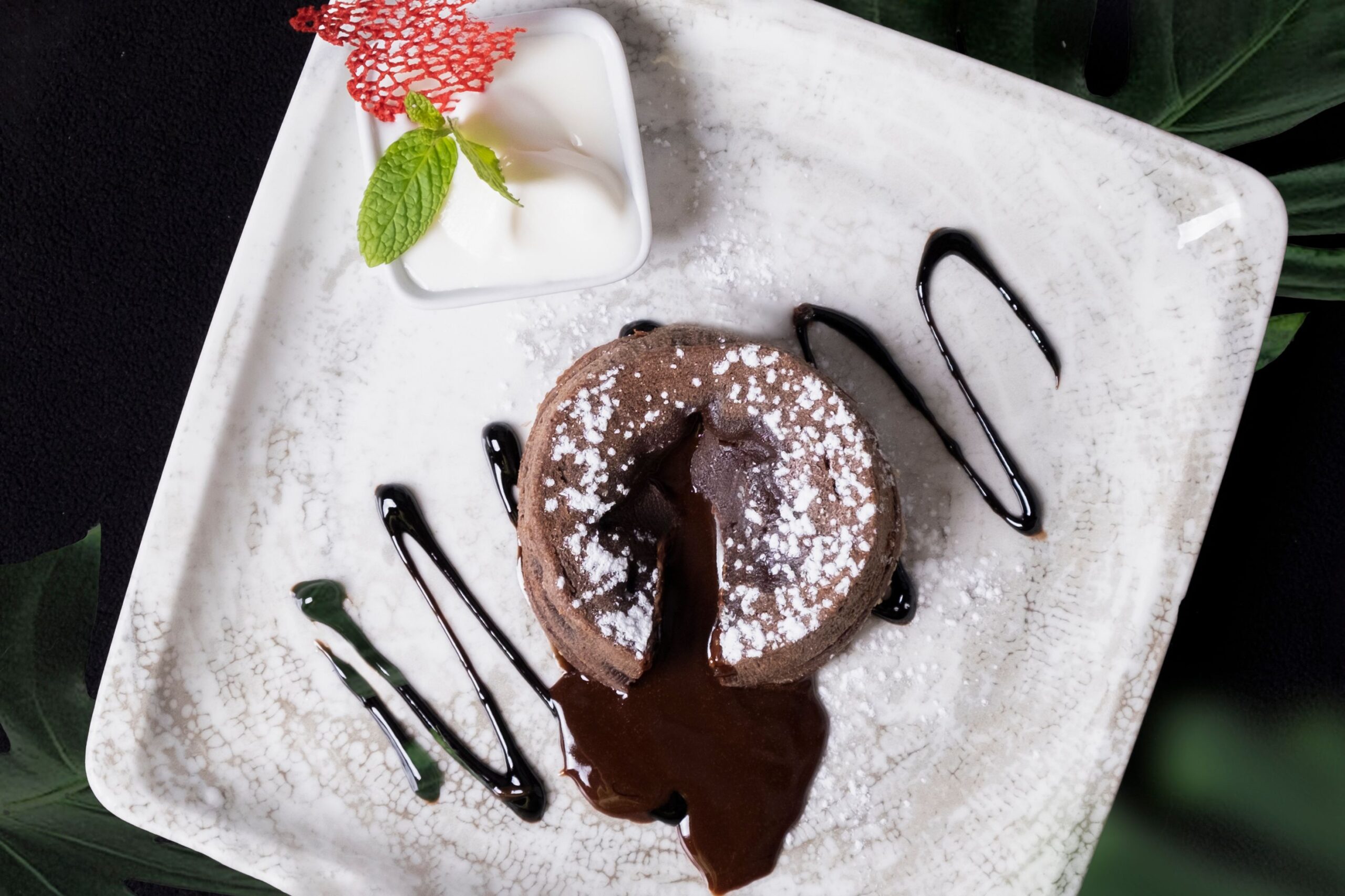
Invented in the high-heat kitchens of modern French haute pâtisserie, the molten chocolate lava cake (known traditionally as fondant au chocolat or mi-cuit) represents a delicate triumph of thermal physics. Unlike standard soufflés or flourless cakes that aim for homogenous coagulation throughout, an authentic lava cake relies on an intentional steep thermal gradient: baking the exterior batter into an airy, delicate sponge while arresting core temperatures just short of protein denaturation to yield a warm, luxurious river of flowing liquid ganache.
The Biophysical Dynamics of the Liquid Center
There are two distinct culinary methods for creating a molten center: the artificial method (inserting a frozen ball of chocolate ganache inside the raw batter) and the classical French method (par-baking an enriched chocolate emulsion). The authentic culinary approach relies on thermodynamic equilibrium:
- The Thermal Gradient Differential: Heat travels conductively from the hot oven air, through the conductive ceramic ramekin walls, and into the batter. By baking at a searing temperature of 425°F (218°C), the exterior rim reaches 195°F (90°C)—fully setting the outer starch and egg structure—while the core remains buffered at approximately 140°F (60°C), remaining fluid and velvety.
- Flour-Starved Matrix: Traditional cakes rely on significant wheat flour starch to form a stable crumb network. Lava cakes utilize a microscopic flour ratio (less than 10% by total weight). This leaves the interior crumb incapable of absorbing the melted cocoa butter and dairy fat, ensuring that upon breaking the exterior wall, the center flows freely like liquid velvet.
- Egg-to-Yolk Lecithin Balance: Whole egg albumins provide structural lifting power to keep the exterior walls upright during unmolding. Concurrently, incorporating extra egg yolks floods the batter with concentrated lecithin, preventing the high percentage of melted chocolate fat from separating into an unsightly oily pool.
Ingredients & Functional Chemistry
| Ingredient | Precise Quantity | Functional & Scientific Contribution |
|---|---|---|
| Bittersweet Dark Chocolate (60–70% Cacao) | 6 oz (170g), finely chopped | Supplies natural cocoa solids and cocoa butter; lower sugar content prevents premature burning at high heat. |
| Unsalted European Butter | 1/2 cup (115g / 1 stick) | Provides 82% butterfat to lower batter viscosity and deliver a rich, velvety mouthfeel in the molten core. |
| Large Whole Eggs (Room Temp) | 2 large eggs (approx. 100g) | Albumins coagulate along the exterior perimeter to form a stable, freestanding cake chassis. |
| Large Fresh Egg Yolks | 2 egg yolks | Supplies natural phospholipid emulsifiers to preserve the glossy suspension of the molten center. |
| Confectioners’ Powdered Sugar | 1/2 cup (60g) | Dissolves instantly into egg proteins without requiring heavy mechanical shearing that would trap excess air. |
| Unbleached All-Purpose Flour | 3 tablespoons (24g) | The absolute minimum starch threshold needed to bind the exterior wall without making the center cakey. |
| Dutch-Processed Cocoa Powder | 1 tablespoon (for coating ramekins) | Creates a non-stick hydrophobic barrier inside the buttered ramekins while imparting deep cocoa bitterness. |
| Fine Flaky Sea Salt | 1/4 teaspoon (1.5g) | Suppresses cocoa tannins, enhances aromatic volatile release, and cuts dairy richness. |
| Pure Vanilla Extract | 1 teaspoon (5ml) | Rounds out the sharp edge of dark roasted cacao with soft, aromatic vanillin notes. |
Step-by-Step Culinary Protocol
Step 1: Ramekin Preparation and Thermal Priming
Preheat your oven to 425°F (218°C). Thoroughly grease the interior floors and vertical walls of four 6-ounce (180ml) ceramic ramekins with softened unsalted butter using upward brush strokes. Dust the interior with Dutch-processed cocoa powder, rotating the ramekins to coat every millimeter before tapping out the excess. This cocoa-fat barrier ensures that the delicate exterior cake releases cleanly from the ceramic mold without tearing.
Step 2: Gentle Lipid Emulsification
Set a heatproof glass bowl over a saucepan filled with 1 inch of barely simmering water (bain-marie), ensuring the bottom of the bowl does not touch the liquid. Combine the finely chopped dark chocolate and cubed unsalted butter. Stir continuously with a flexible silicone spatula until completely melted and glossy. Remove the bowl from heat and allow the lipid mixture to cool slightly to lukewarm (approx. 110°F / 43°C) so it will not cook the raw eggs upon contact.
Step 3: Low-Shear Egg and Sucrose Whipping
In a separate large bowl, combine the two whole eggs, two additional egg yolks, confectioners’ sugar, and fine sea salt. Whisk vigorously by hand for roughly 2 minutes until the mixture turns pale yellow, thickens slightly, and falls from the whisk in a thin ribbon. Do not use an electric mixer on high speed; excessive aeration will cause the cakes to expand dramatically in the oven like soufflés and collapse prematurely when plated.
Step 4: Folding and Minimal Starch Suspension
Slowly pour the lukewarm melted chocolate and butter mixture into the whipped eggs while whisking gently until thoroughly incorporated. Add the pure vanilla extract. Sift the 3 tablespoons of all-purpose flour directly over the glossy chocolate batter. Using your silicone spatula, fold gently in wide, sweeping strokes just until the last white speck of flour disappears. Over-mixing at this stage activates gluten proteins, resulting in a rubbery, tough outer rim.
Step 5: Deposition and The Flash Bake
Divide the glossy batter evenly among the four prepared ramekins, filling each approximately three-quarters full. Place the ramekins onto a sturdy metal baking sheet. Bake on the center oven rack at 425°F (218°C) for precisely 12 to 14 minutes. Watch closely: the edges should look firm, matte, and slightly cracked, but the center 1-inch circle must still look soft, dark, and gently wobbly when the tray is moved.
Step 6: The Kinetic Rest and Clean Inversion
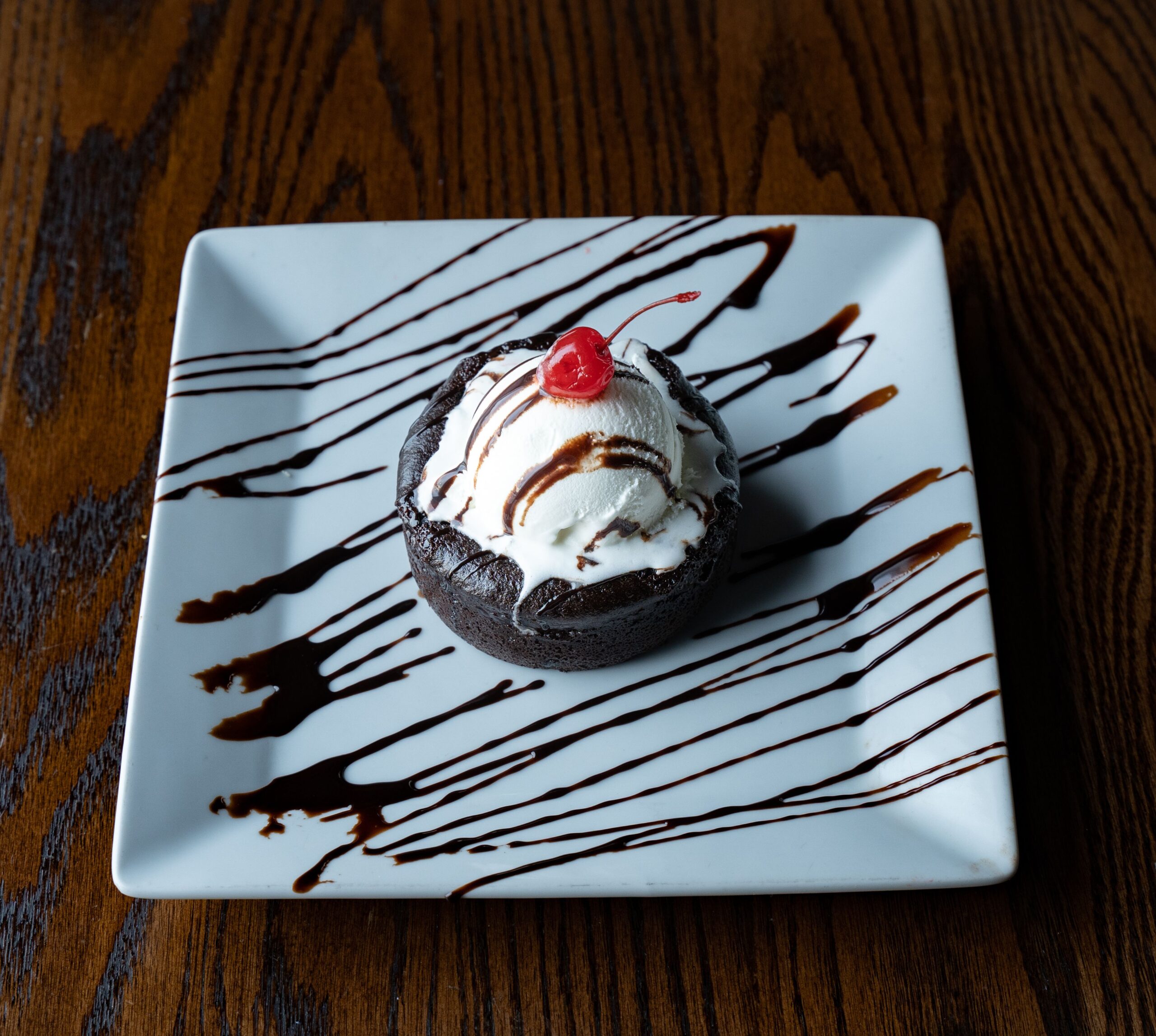
Remove the baking sheet from the oven and allow the ramekins to rest undisturbed on the counter for exactly 2 minutes. This brief pause allows the exterior cake crumb to contract slightly and consolidate its structural strength. Run a thin, flexible paring knife around the top rim of each ramekin to ensure no edges are sticking. Place an inverted serving plate over the top of a ramekin, quickly invert both together using heatproof oven mitts, and let it rest inverted for 10 seconds. Gently lift the ramekin straight up to reveal the freestanding cake.
Troubleshooting Common Lava Cake Pitfalls
| Visual / Textural Defect | Scientific Root Cause | Immediate Corrective Action |
|---|---|---|
| Cake Splatters and Collapses on Plate | Severe under-baking; the exterior protein web did not reach coagulation temperature. | Increase bake duration by 60 to 90 seconds until outer rim feels firm to a gentle touch. |
| Completely Solid Center (No Lava) | Over-baking; internal core temperature exceeded 160°F (71°C), setting all starches and eggs. | Rely on an oven thermometer to verify 425°F (218°C) and pull cakes when the center still wobbles. |
| Torn Exterior / Cake Sticks to Mold | Ramekins were under-buttered, or flour was used instead of cocoa powder. | Coat generously with softened butter and dust thoroughly with hydrophobic cocoa powder. |
| Greasy, Separated Chocolate Pool | Melted chocolate and butter were mixed with eggs while boiling hot, breaking the emulsion. | Cool melted chocolate to lukewarm (110°F / 43°C) before whisking into room-temperature eggs. |
Make-Ahead Logistics & Temperature Management
Lava cakes are famous for being notoriously time-sensitive, but culinary physics allows you to prep them ahead with complete accuracy:
- Refrigerated Raw Batter: You can divide the raw batter into prepared ramekins, cover them tightly with plastic wrap, and refrigerate for up to 24 hours before baking. When baking straight from the cold refrigerator, simply extend the baking duration by 2 to 3 minutes to account for the colder initial core temperature.
- Freezer Storage Protocol: Wrap filled ramekins in aluminum foil and freeze for up to 1 month. Bake directly from the freezer at 425°F (218°C) for 16 to 18 minutes without thawing.
- Immediate Consumption Window: A baked lava cake cannot wait on the counter. Within 5 minutes of unmolding, residual heat from the ceramic and outer cake continues to cook the interior, slowly solidifying the liquid core. Serve within 2 minutes of plating.
Gourmet Flavor Pairings & Temperature Contrast
The sensory magic of a chocolate fondant relies on temperature and acid contrast to break through the ultra-dense lipid profile:
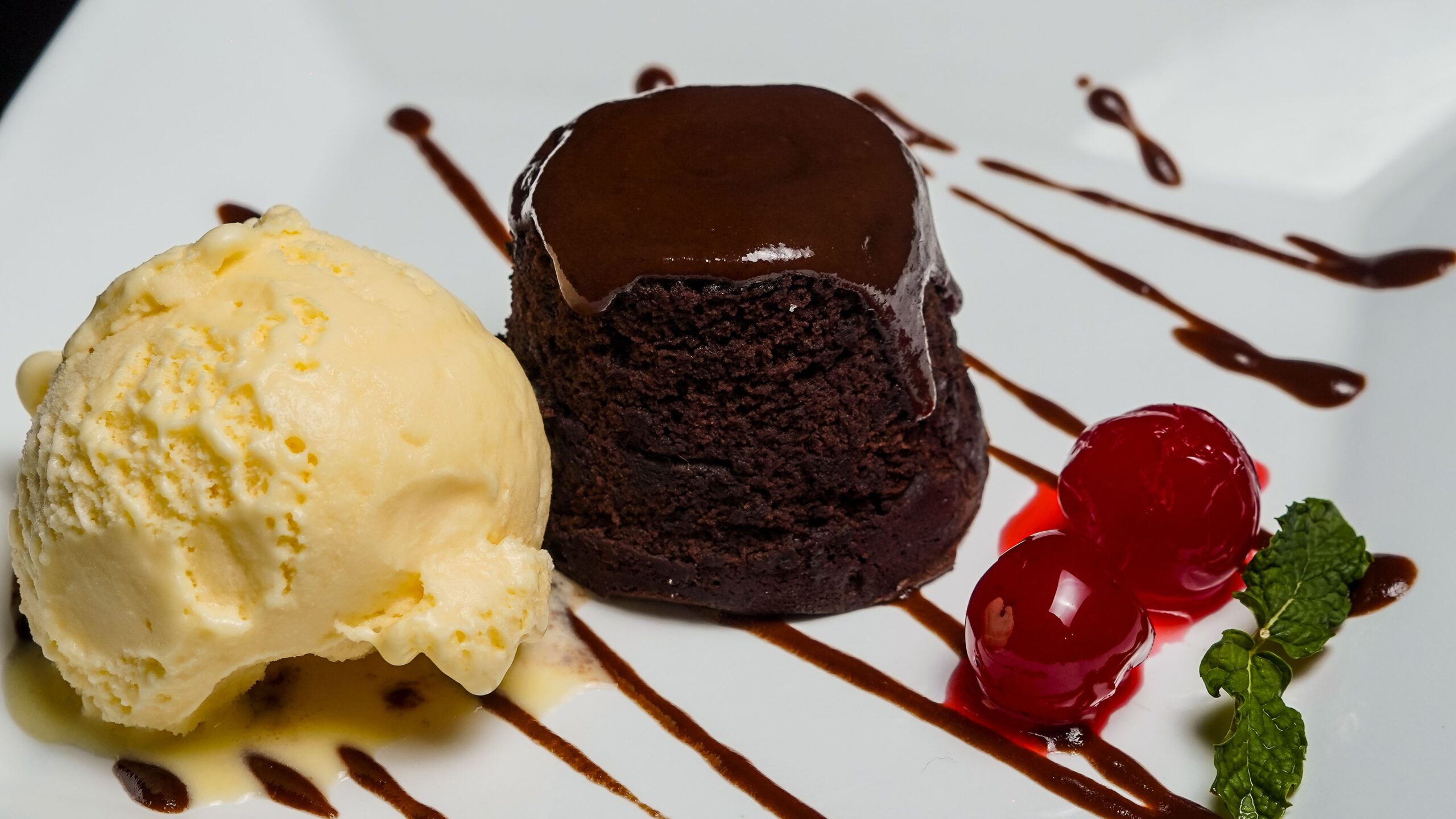
- High-Fat Vanilla Bean Gelato: The freezing cold temperature of authentic gelato creates an exhilarating thermal contrast against the steaming, 140°F molten chocolate center.
- Tart Raspberry or Pomegranate Reduction: Simmering tart berries with lemon juice delivers anthocyanin acidity that cuts cleanly through heavy cocoa butter fats.
- Flaky Maldon Smoked Sea Salt: A pinch of mineral-rich smoked sea salt sprinkled directly over the molten eruption intensifies roasted chocolate notes and elevates umami.
Frequently Asked Questions (FAQ)
Is the liquid center safe to eat, or is it raw egg?
The interior reaches approximately 140°F to 145°F (60°C to 63°C), which pasteurizes the eggs while maintaining liquid fluidity. Combined with high sugar concentration and the safe acidity of cocoa, it poses negligible food safety concerns when using clean, fresh USDA Grade A eggs.
Can I make molten lava cake in a standard metal muffin tin?
Yes, though ceramic ramekins are strongly preferred due to their steady thermal mass. Metal muffin tins conduct heat much faster, requiring you to reduce bake time to 9 to 11 minutes and line the cups with parchment strips to lift them out safely.
Can I use milk chocolate instead of dark chocolate?
Milk chocolate contains significantly higher sugar and dairy solids with far less cocoa butter. It melts too quickly, scorches easily under high baking temperatures, and results in an unpleasantly cloying, overly sweet center. Stick to 60% to 70% dark bittersweet chocolate.
Nutritional Breakdown (Per Individual Cake)
- Servings: 4 individual 6-ounce cakes
- Calories: 440 kcal
- Total Carbohydrates: 38 g
- Dietary Fiber: 3.2 g
- Protein: 6.4 g
- Total Fat: 29.8 g
- Saturated Fat: 17.5 g
- Cholesterol: 170 mg
- Sodium: 160 mg